
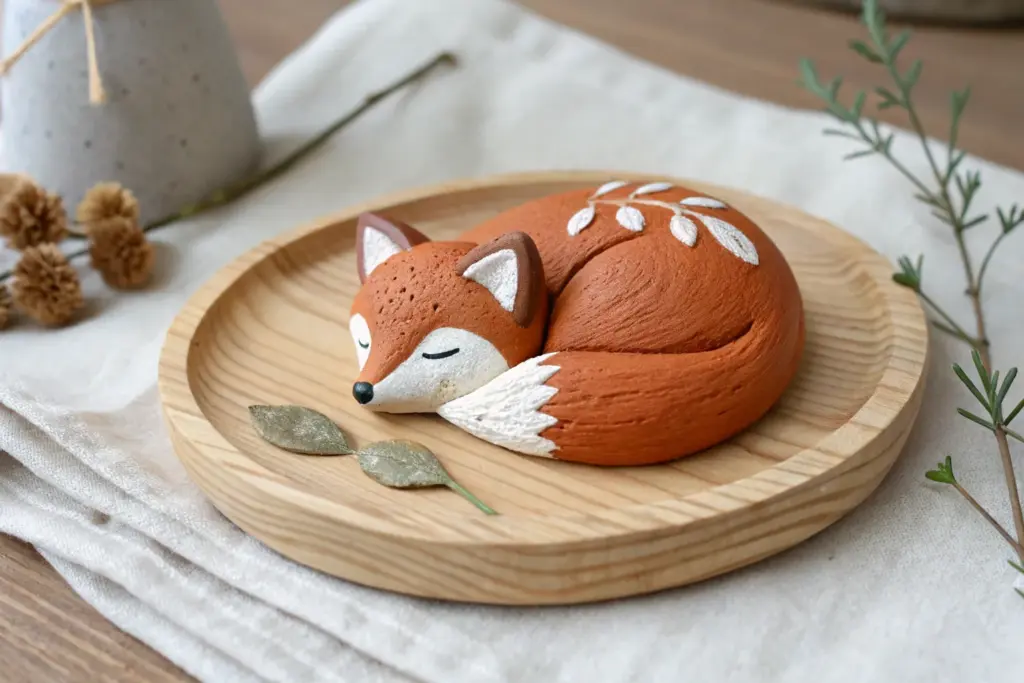
Whenever I need a low-mess creative reset, I reach for air-dry clay—it’s the easiest way to turn a plain little lump into something you’ll actually use or display. Here are my favorite dry clay art ideas that feel approachable, satisfying, and totally doable at the kitchen table.
Air-Dry Clay Trinket Dishes
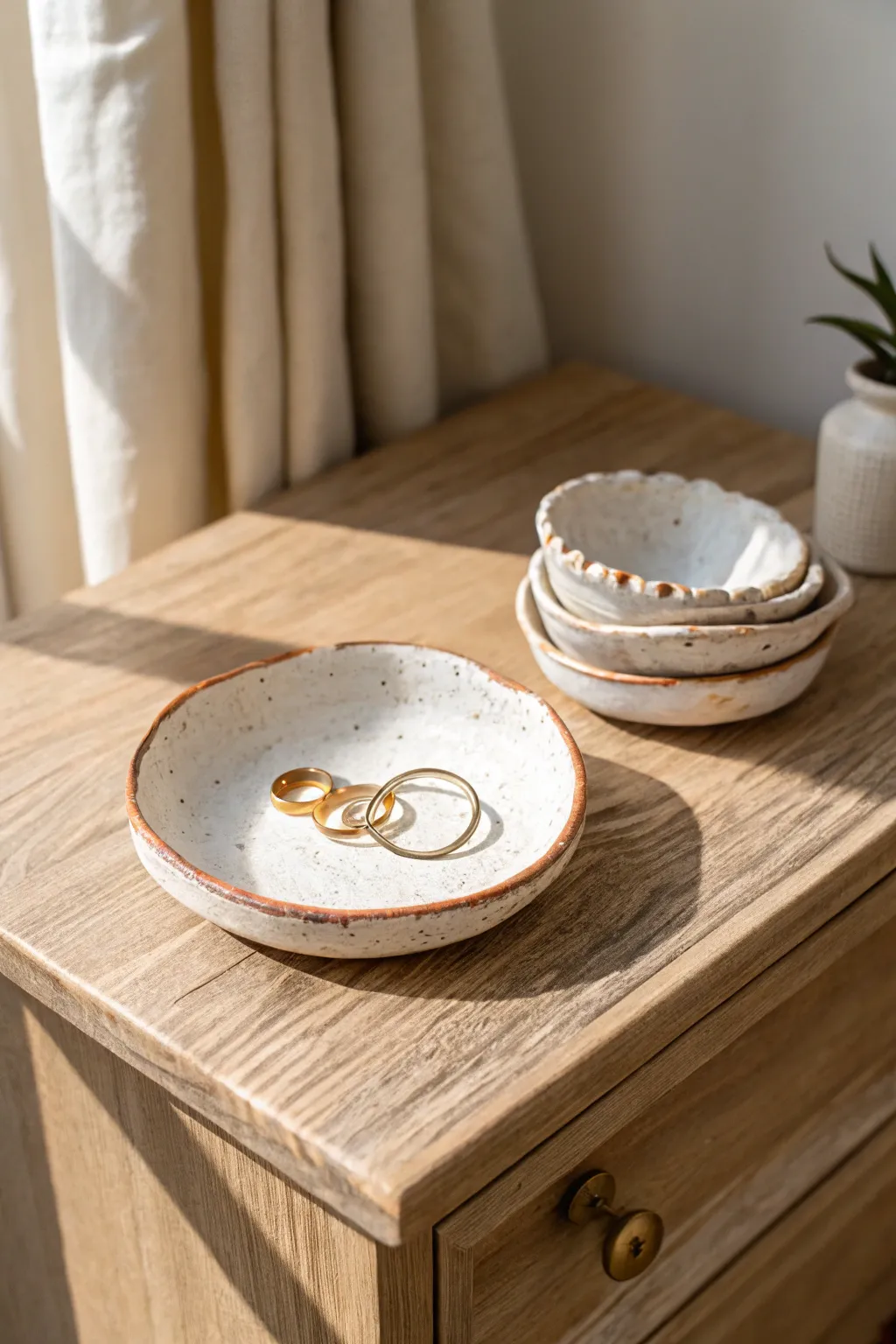
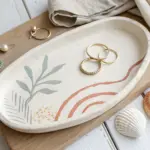
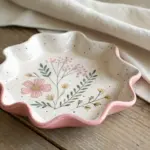
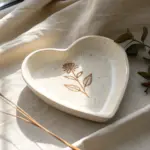
Embrace the beauty of imperfection with these charming speckled trinket dishes featuring an organic, raw-edge rim. This project mimics the look of high-fire ceramic pottery using simple air-dry clay, perfect for holding your favorite daily rings and small accessories.
How-To Guide
Materials
- White or light grey air-dry clay
- Rolling pin
- Canvas or cloth mat (to prevent sticking)
- Small bowl or round cutter (for template)
- Craft knife
- Small bowl (for shaping)
- Sandpaper (fine grit)
- Acrylic paints (creamy white, burnt sienna/terracotta)
- Old toothbrush or stiff bristle brush
- Glossy varnish or sealant
- Small paintbrush
- Sponge
Step 1: Shaping the Clay
-
Prepare the clay slab:
Begin by kneading a fist-sized ball of air-dry clay until it’s pliable and warm. Roll it out on your canvas mat until it is roughly ¼ inch thick. Avoid rolling it too thin, as you want a bit of chunky sturdiness for this rustic look. -
Cut the rough shape:
Place your bowl or circular template gently onto the clay slab. Use your craft knife to cut around the template. Don’t worry about being perfectly precise; a slightly wobbly line adds to the handmade character we are aiming for. -
Create the organic rim:
Dip your finger in a little water and run it along the cut edge to smooth out any sharp angles. Gently pinch and press the rim at random intervals to create an uneven, slightly undulating edge. -
Form the curve:
Lift your clay circle and gently press it into a dry bowl to create a curved shape. For the flatter dish shown in the foreground, you might just curve the edges up slightly with your fingers while it rests on a flat surface. -
Refine the surface:
While the clay is still wet, inspect the surface for any unwanted fingerprints. Use a slightly damp sponge to wipe the interior smooth.
Rim Too Uniform?
If your painted rim looks too perfect, dab a slightly damp sponge over the wet paint to lift color in random spots, exposing the white beneath for a worn, vintage look.
Step 2: Drying and Sanding
-
Initial drying:
Let the piece dry in the mold (or on the flat surface) for about 24 hours. Keep it away from direct heat sources to prevent cracking. -
Flip and finish drying:
Once the exposed side feels dry to the touch, gently pop the clay out of the mold and flip it over. Let it dry for another 24-48 hours until it turns a chalky white and feels room temperature, not cool. -
Smooth the imperfections:
Take your fine-grit sandpaper and gently sand the rim and any rough spots on the body. Dust off the powder with a dry brush or tack cloth.
Step 3: Painting and Finishing
-
Apply the base coat:
Mix a creamy off-white acrylic paint. Apply two coats to the entire dish, letting the first coat dry completely before adding the second. This creates that clean, ceramic-like base. -
Create the speckles:
Thin down a small amount of dark brown or grey paint with water until it’s fluid. Dip an old toothbrush into this mixture. -
Splatter technique:
Hold the toothbrush over your dish and run your thumb across the bristles to flick tiny specks onto the surface. I suggest testing this on a piece of paper first to get the right density of spray. -
Paint the faux-clay rim:
Mix a burnt sienna or terracotta color. Using a small brush, carefully paint the very edge of the rim. Use a ‘dry brush’ technique here—wipe most of the paint off first—so the color looks like exposed raw clay rather than a solid painted line. -
Soften the rim edge:
While the rim paint is slightly tacky, tap it gently with your finger or a clean sponge to blur the line where the brown meets the white, enhancing the organic feel. -
Seal the piece:
Once all paint is bone dry, apply a coat of glossy varnish. This mimics the look of fired glaze and protects the paint from scratching. -
Final cure:
Allow the varnish to cure according to the bottle instructions (usually 24 hours) before placing any jewelry inside.
Stacking Success
To make the nesting bowl set, use three different sized kitchen bowls as your molds. Ensure they are varying sizes so the finished dry clay pieces will sit inside one another comfortably.
Now you have a stunning set of faux-ceramic dishes ready to organize your treasures on the nightstand
Air-Dry Clay Ring Cone Holders
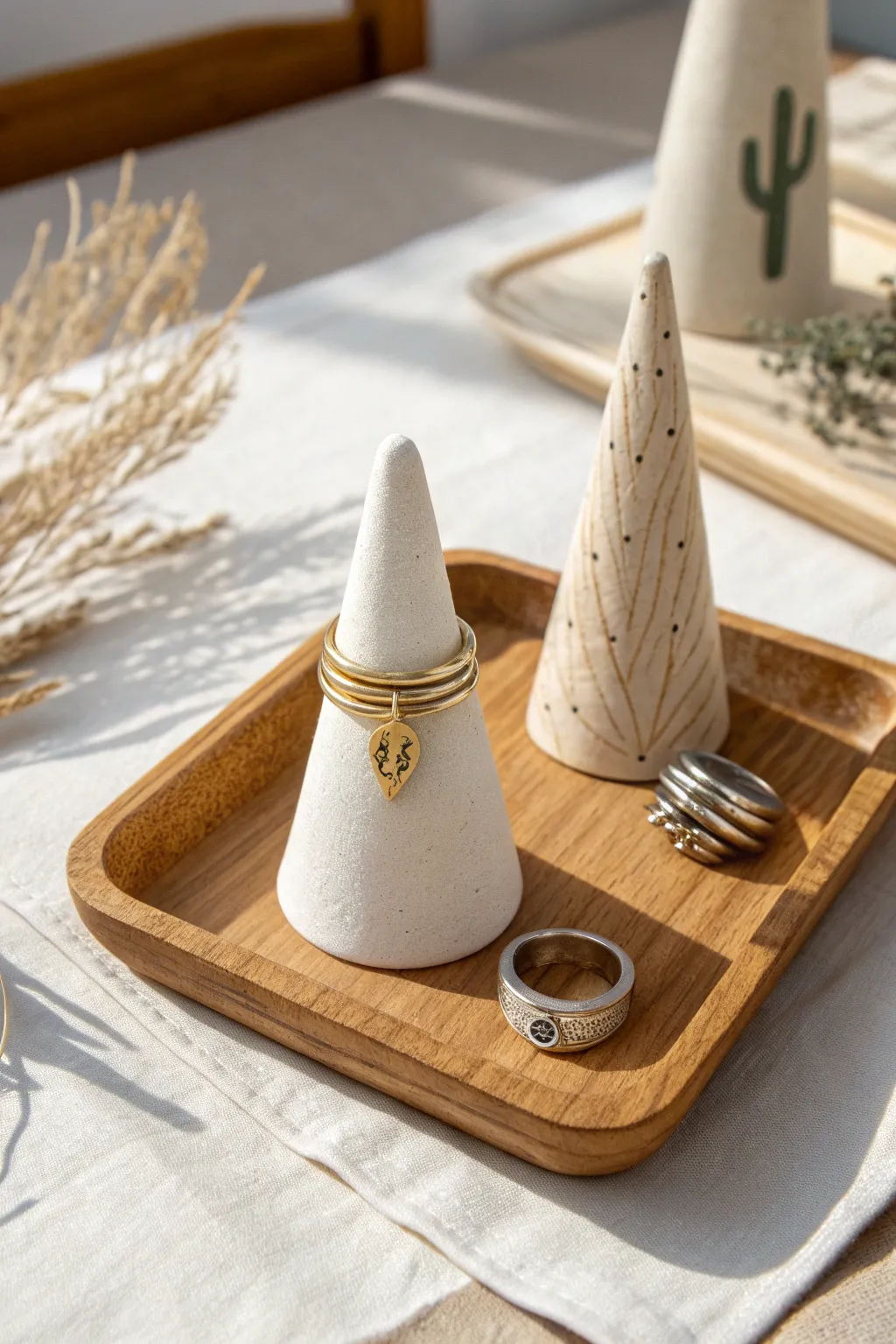
These elegant, minimalist ring holders serve as both functional organizers and chic home decor. With their smooth, matte finish and subtle geometric patterns, they bring a touch of modern desert style to your vanity.
Step-by-Step
Materials
- White air-dry clay
- Rolling pin
- Clay cutting tool or craft knife
- Small bowl of water
- Fine-grit sandpaper (220-400 grit)
- Sponge
- Acrylic paint (black and dark green)
- Fine detail paintbrush (size 0 or 00)
- Matte varnish or sealant
Step 1: Shaping the Base
-
Prepare the clay:
Cut a chunk of air-dry clay about the size of a golf ball for each cone you plan to make. Knead it in your hands for a minute until it is soft, pliable, and free of cracks. -
Form a ball:
Roll the clay between your palms to create a perfectly smooth sphere. Spending extra time here ensures your final cone won’t have internal air bubbles or deep surface fissures. -
Roll into a taper:
Place the ball on your work surface. Using flat palms, apply pressure to one side of the ball while rolling back and forth to begin elongating a tapered cone shape. -
Refine the height:
Stand the clay up on its wider end. Gently roll the cone between your palms while pulling upward slightly to increase the height and sharpen the point. -
Standardize the shape:
Aim for a height of about 3 to 4 inches. Check the silhouette; the slope should be gradual and consistent from the base to the tip. -
Flatten the bottom:
Firmly tap the wide base of the cone against your table surface to create a flat, stable bottom so the cone stands perfectly upright without wobbling. -
Smooth imperfections:
Dip your finger in a small amount of water and gently run it over the surface of the clay to smooth out any fingerprints or tiny ridges. -
Let it dry:
Set your cones aside in a dry, room-temperature area. Allow them to dry completely for 24-48 hours, turning them occasionally to ensure even drying on all sides.
Cracks happen
If small cracks appear during drying, make a ‘slip’ by mixing a bit of clay with water into a paste. Fill the crack, smooth it over, and let it dry again.
Step 2: Sanding and Finishing
-
Initial sanding:
Once bone dry, take your fine-grit sandpaper and gently sand the entire surface of the cone. Use circular motions to remove any lumpy areas. -
Refine the tip:
Pay special attention to the very top point and the bottom edge, ensuring they are crisp and smooth. Brush away the clay dust with a soft, dry brush or cloth. -
Plan your design:
Decide on your patterns. The image features one plain cone, one with a simplistic cactus outline, and another with a delicate dotted leaf or feather pattern. -
Paint the cactus motif:
For the desert vibe, mix a deep green acrylic paint. Using your finest detail brush, paint a simple vertical line with two small curved arms branching off for a minimal cactus silhouette. -
Paint the botanical pattern:
For the patterned cone, use black acrylic paint. Paint thin, curved lines rising from the base to simulate veins, and add tiny dots along the lines for texture. -
Keep one plain:
Leave one cone unpainted to highlight the natural, raw texture of the white clay, which creates a beautiful contrast when grouped with the painted ones. -
Allow paint to cure:
Let the paint dry completely. Acrylics on porous clay usually dry to the touch within 15-20 minutes, but I like to give it an hour to be safe. -
Seal the surface:
Apply a coat of matte varnish over the entire cone. This protects the clay from moisture and prevents the paint from chipping without adding an unwanted glossy shine.
Make it speckled
For a stone-like effect, knead tiny amounts of black pepper or dried used coffee grounds into your white clay before shaping to create a speckled granite look.
Arrange your new ring cones on a wooden tray or vanity to elegantly display your favorite jewelry pieces

Air-Dry Clay Leaf-Imprint Coasters
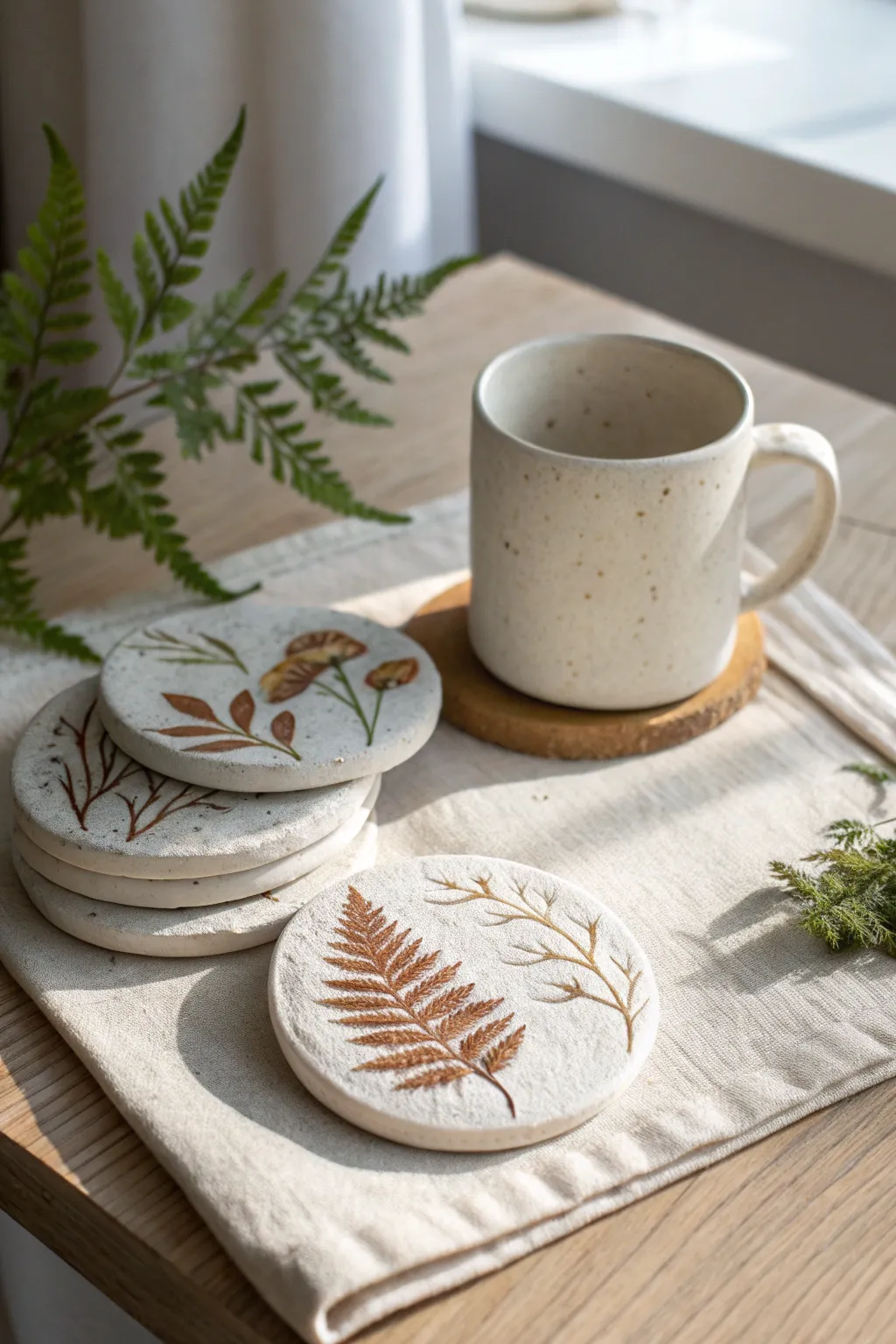
Bring the outdoors in with these serene, nature-inspired coasters features delicate botanical impressions. The speckled stone-like finish and warm, earthy tones give them an organic, handmade charm perfect for any coffee table.
Detailed Instructions
Materials
- White or stone-colored air-dry clay (preferably with speckles, or add sand/coffee grounds)
- Variety of fresh or dried leaves (ferns, twigs, small flowers)
- Rolling pin
- Circle cookie cutter or a large jar lid (approx. 4 inches)
- Parchment paper or canvas mat
- Fine-grit sandpaper
- Acrylic paints (burnt sienna, ochre, olive green)
- Small fine-point paintbrush
- Matte acrylic varnish or sealant
- Small bowl of water
- Sponge
Step 1: Preparation & Shaping
-
Prepare the Clay:
Begin by kneading a handful of air-dry clay until it’s soft and pliable. If your clay is plain white but you want the speckled look from the photo, knead in a tiny pinch of used dry coffee grounds or fine sand. -
Roll Techniques:
Place the clay on a sheet of parchment paper or a canvas mat to prevent sticking. Use your rolling pin to flatten the clay to an even thickness of about 1/4 inch. -
Check Thickness:
Ensure the thickness is consistent across the slab; if it’s too thin, the coasters might crack, but if it’s too thick, they can take forever to dry. -
Arrange Botanicals:
Select your leaves or ferns. Place them vein-side down onto the rolled clay. I find that pressing them gently with my finger first helps keep them in place before rolling. -
Impress the Design:
Gently roll over the leaves with the rolling pin once. Apply firm, even pressure to push the plant material into the clay without thinning the slab too much. -
Reveal the Patterns:
Carefully peel the leaves away by the stem. Use tweezers if a leaf gets stuck or breaks apart, lifting it straight up to preserve the crisp edges of the impression. -
Cut the Shape:
Position your circle cutter or jar lid over the best part of the imprint. Press down firmly to cut the coaster shape, then peel away the excess clay from the outside.
Step 2: Drying & Refining
-
Smooth the Edges:
Dip your finger in a little water and run it gently around the cut rim of the coaster to smooth out any harsh ridges left by the cutter. -
Initial Drying:
Transfer the coasters (still on their parchment paper if possible) to a flat board. Let them air dry in a cool, dry place for 24 hours. -
Flip and Weight:
After the first day, flip the coasters over to let the bottom breathe. If they start curling, place a heavy book on top of them for the remaining drying time (usually another 24-48 hours). -
Sanding:
Once fully bone-dry and hard, lightly sand the edges with fine-grit sandpaper to achieve a professional, finished feel.
Fixing Curled Edges
If coasters curl while drying, dampen the concave side slightly with a sponge, then stack them under heavy books for 24 hours to flatten them back out.
Step 3: Painting & Sealing
-
Mixing Colors:
Dilute your acrylic paints (browns, ochres, and muted greens) with a substantial amount of water. You want a watercolor consistency, not thick opaque paint. -
Applying the Wash:
Using a fine brush, carefully drop the watery paint into the debossed grooves of the leaf impressions. The liquid will naturally flow into the deeper parts of the print. -
Wipe Back:
Immediately after applying the paint, use a slightly damp sponge to wipe across the surface. This removes paint from the high points but leaves it in the deep veins, highlighting the texture. -
Dry the Paint:
Allow the paint accents to dry completely, which should only take about 20-30 minutes. -
Seal the Surface:
Apply a coat of matte varnish or clay sealant over the entire top and sides. This protects the clay from moisture, which is crucial for a drink coaster. -
Final Coat:
Once the first coat is dry, add a second layer of sealant for extra durability. Let it cure fully according to the bottle instructions before use.
Gilded Touch
For a luxe look, paint the very rim of the coaster with liquid gold leaf or metallic gold acrylic paint after the sealing step is complete.
Now you have a set of custom botanical coasters ready to hold your morning tea
Air-Dry Clay Pinch-Pot Planters
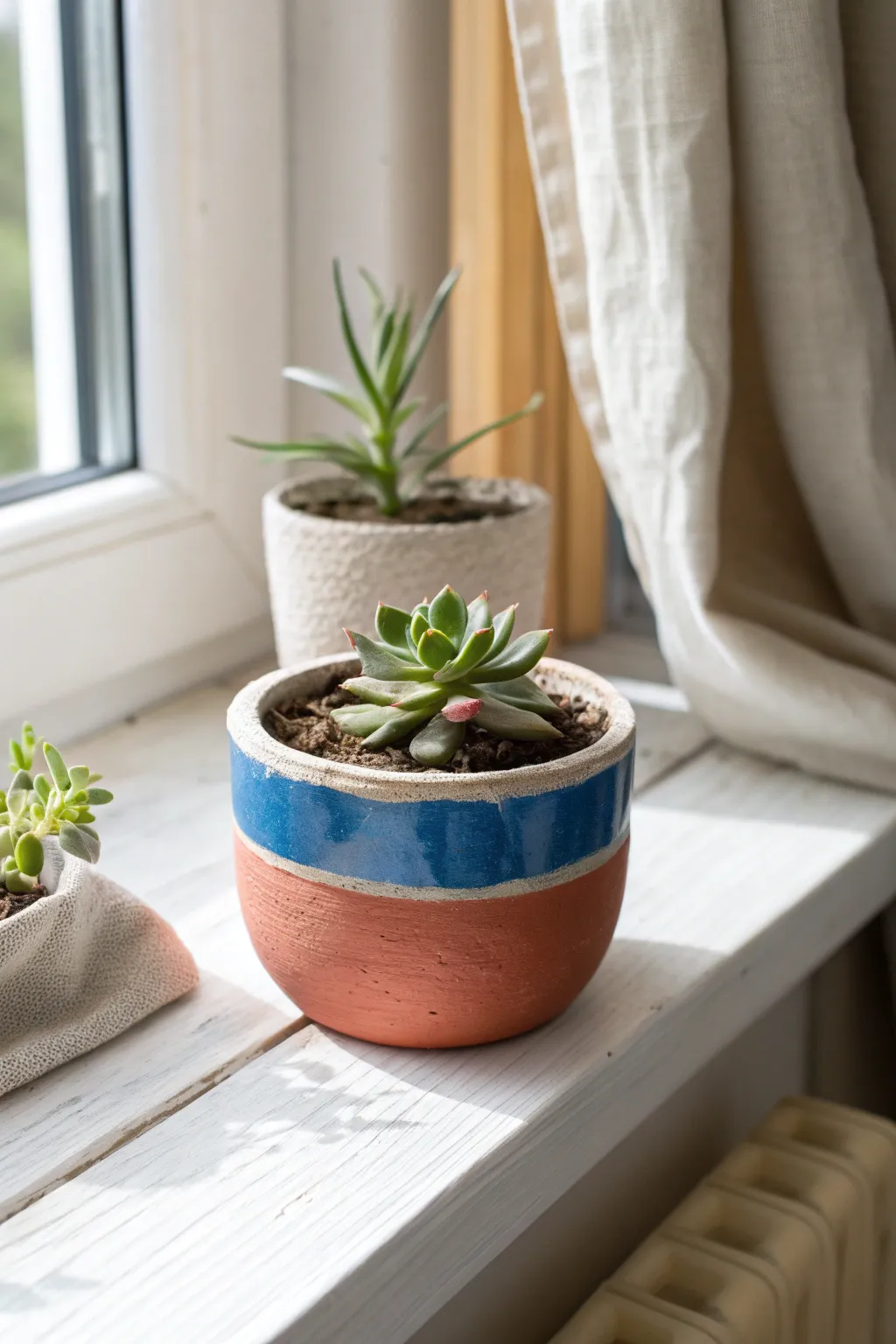
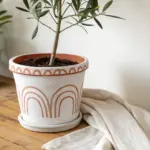
Brighten up your windowsill with this charming two-tone succulent planter. Using simple pinch-pot techniques, you’ll create an organic, rounded vessel that combines earthy terracotta hues with a striking splash of blue glaze.
Step-by-Step Guide
Materials
- White or terracotta-colored air-dry clay
- Acrylic paints (Terracotta/Burnt Sienna, Deep Blue, White)
- Gloss varnish or clear sealant (Mod Podge works)
- Small bowl of water
- Sponge or paper towel
- Fine grit sandpaper
- Paintbrushes (flat and detail)
- Clean work surface (wax paper or silicone mat)
Step 1: Shaping the Clay
-
Prepare your clay ball:
Start by grabbing a handful of air-dry clay, roughly the size of a tennis ball. Knead it in your hands for a minute to warm it up, then roll it into a smooth, even sphere between your palms. -
Open the pot:
Hold the sphere in one hand. With your other thumb, press gently into the center of the ball, pushing down about three-quarters of the way through. Be careful not to push all the way to the bottom. -
Pinch the walls:
Using your thumb on the inside and fingers on the outside, start pinching the clay walls. Rotate the ball slightly with each pinch to ensure an even thickness. -
Widen and shape:
Continue pinching and turning until the opening is wide enough for a small plant. Aim for a wall thickness of about a quarter-inch. Don’t worry if it’s not perfectly symmetrical; the handmade look adds character. -
Flatten the base:
Gently tap the bottom of your pot against your work surface to create a flat, stable base so it won’t wobble on your windowsill. -
Smooth the surfaces:
Dip your finger into a little water and run it over any cracks or rough spots on the exterior and rim. You want the surface relatively smooth before it dries. -
Dry thoroughly:
Set your pot aside in a safe spot. Air-dry clay typically takes 24-48 hours to cure completely, depending on humidity. It should feel hard and room temperature (not cool) when ready.
Step 2: Painting and Finishing
-
Sand imperfections:
Once fully dry, take a piece of fine-grit sandpaper and lightly buff away any remaining fingerprints or sharp ridges, especially around the top rim. -
Mix the base color:
If you didn’t use terracotta clay, mix burnt sienna with a tiny dot of white acrylic paint to create a warm, clay-pot color. -
Paint the bottom section:
Paint the bottom two-thirds of the pot with your terracotta color. Use smooth, horizontal strokes. I often do two coats here for solid coverage, letting the first dry completely before applying the second. -
Create the dividing line:
Let the bottom section dry. You can use painter’s tape for a crisp line, or—to match the photo’s organic feel—simply freehand the boundary where the two colors will meet. -
Apply the blue band:
Paint the upper third of the pot using a deep blue acrylic. Bring the color right up to the rim but leave the very top edge unpainted for now. -
Detail the rim:
Using a smaller brush, carefully dab a creamy white paint along the very top edge of the rim. Let this overlap slightly onto the blue to mimic a dripping glaze effect. -
Seal the interior:
Since air-dry clay isn’t waterproof, coat the entire inside of the pot with a waterproof sealer or multiple coats of varnish to protect it from moisture. -
Add the glossy finish:
To achieve the ceramic look seen in the photo, apply a high-gloss varnish over the painted blue section and the white rim. Leave the terracotta bottom matte for a nice textural contrast.
Cracks while Drying?
Make a ‘slip’ paste by mixing a bit of fresh clay with water. Smear this paste into any cracks, smooth it over with your finger, and let it dry again.
Pro Tip: Drainage
Air-dry clay melts if wet! Instead of planting directly, use your creation as a ‘cachepot’—keep the plant in its plastic nursery pot and set that inside.
Pop in your favorite succulent and enjoy the fresh, handmade vibe this little planter brings to your room

What Really Happens Inside the Kiln
Learn how time and temperature work together inside the kiln to transform clay into durable ceramic.
Air-Dry Clay Minimal Wall Hanging
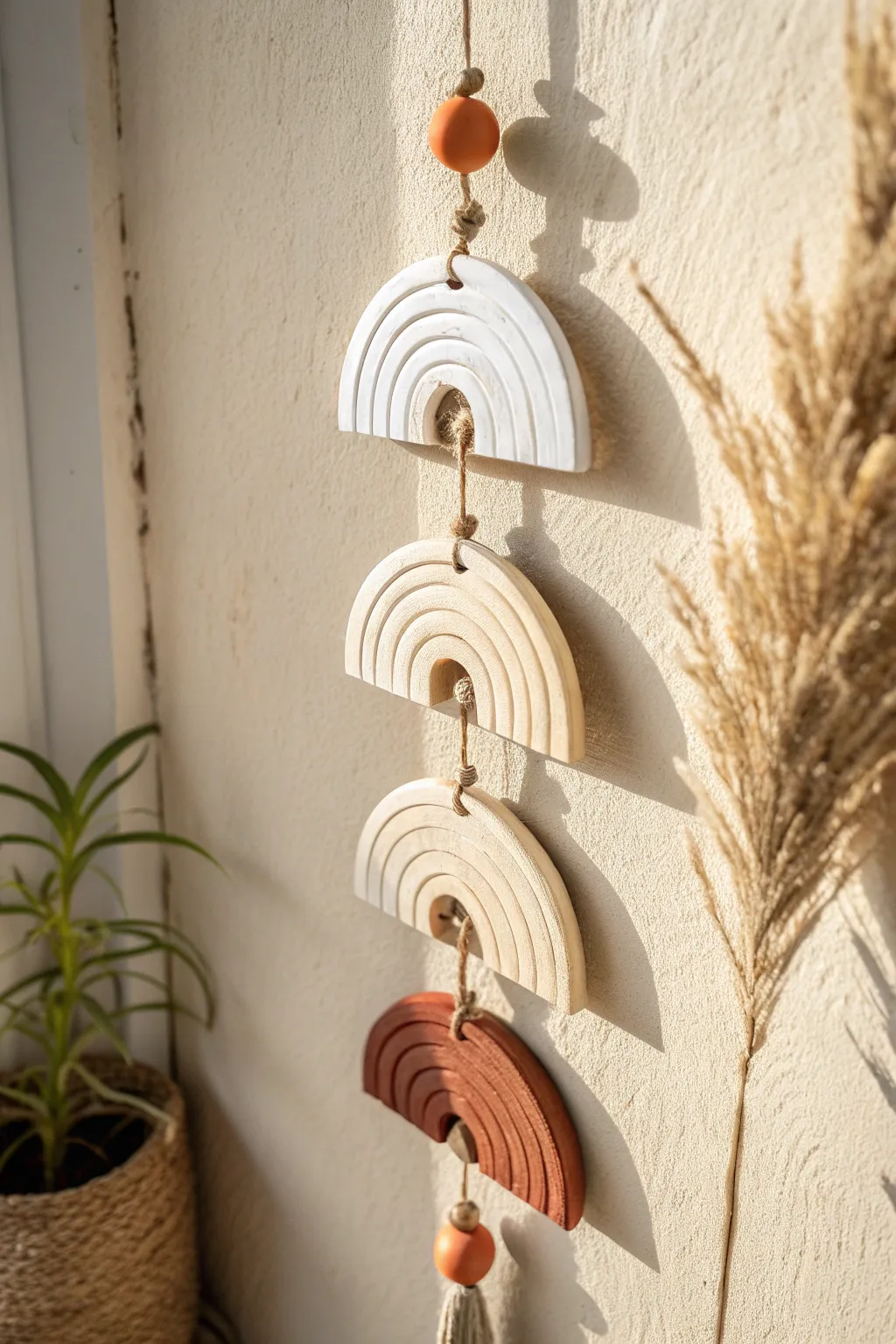
This chic mobile combines the earthy texture of air-dry clay with a minimalist, stacked rainbow design. Perfect for adding a touch of calmness to a sunny corner, this project is deceptively simple and results in a high-end, store-bought look.
Step-by-Step
Materials
- Air-dry clay (white or terracota)
- Acrylic rolling pin
- Clay knife or craft knife
- Circle cutters in graduated sizes (or household bowls/cups)
- Wooden skewer or knitting needle
- Jute twine or hemp cord
- Wooden beads (orange/terracotta)
- Acrylic paints (White, Cream, Beige, Burnt Sienna)
- Paintbrushes
- Fine-grit sandpaper
- Parchment paper
Step 1: Shaping the Clay Arches
-
Roll out the slab:
Begin by kneading your air-dry clay to wake it up, then roll it out on a piece of parchment paper until it is an even slab, approximately 1/4 inch thick. Aim for consistency here so the pieces dry at the same rate. -
Cut the base circles:
Using your largest circle cutter or a bowl (about 4 inches in diameter works well), press firmly into the clay to cut out two perfect circles. You will need four half-circles total, so two full circles are enough. -
Create the rainbow layers:
Within those cut circles, use smaller concentric cutters or freehand with a knife to gently impress—but not cut through—rainbow arches. This creates the grooved texture visible in the finished piece. -
Cut in half:
Use a long blade or ruler to slice each circle directly down the center, creating four semi-circles. You only need four for this design, but making an extra is always a good safety net. -
Refine the edges:
Dip your finger in a little water and run it along the cut edges to smooth out any roughness or jagged bits from the knife. -
Add texture:
If your concentric lines aren’t deep enough, go back over them now with a modeling tool or a dull knife to ensure the ridges will catch the light later. -
Pierce holes:
Using a skewer, poke a hole at the top dead-center of each arch and another at the bottom center. The holes need to be large enough to accommodate your jute twine. -
Dry completely:
Let the pieces air dry on a flat surface for 24-48 hours. I like to flip them over halfway through to prevent warping.
Step 2: Finishing and Assembly
-
Sand imperfections:
Once fully cured and bone-dry, lightly sand the edges using fine-grit sandpaper for a professional finish. -
Mix your palette:
Prepare your acrylic paints. You want a gradient: pure white, a creamy beige, a darker sandy beige, and a rich terracotta brown. -
Paint the arches:
Paint the top arch white, the second cream, the third beige, and the bottom arch terracotta. Apply two thin coats for full coverage, letting the paint dry between layers. -
Seal the beads:
If your wooden beads aren’t pre-colored, paint one large bead to match the terracotta arch and a smaller one for the bottom tassel. -
Start the assembly:
Cut a long length of jute twine (about 3 feet). Fold it in half to create a hanging loop at the top, securing it with a knot. -
Thread the top bead:
Thread both ends of the twine through the large terracotta bead and tie a sturdy knot underneath it to hold it in place. -
Attach the first arch:
Thread the twine through the top hole of the white arch. Tie a knot exactly where the bottom hole is, then thread the twine through that bottom hole. This hidden knot technique keeps the arch stable. -
Connecting the stack:
Continue this process down the line: leave a small gap of exposed twine (about 1 inch), tie a knot, thread the top of the next arch, knot at the bottom hole, and thread through. -
Add the bottom accent:
After the final terracotta arch, thread on the smaller wooden bead. -
Create the tassel:
Unravel the remaining ends of the jute twine below the final bead to create a frayed tassel, trimming it to your desired length to finish the piece.
Smooth Operator
To prevent curling edges while drying, place a lightweight book or board on top of your clay pieces (sandwiched in parchment) once they are semi-dry but still flexible.
Texture Twist
Instead of painting solid colors, mix baking soda into your acrylic paint. This creates a grainy, ceramic-like texture that makes the clay look like fired pottery.
Hang your new creation near a window where natural light can highlight the dimensional ridges of the arches
Air-Dry Clay Photo And Card Stands
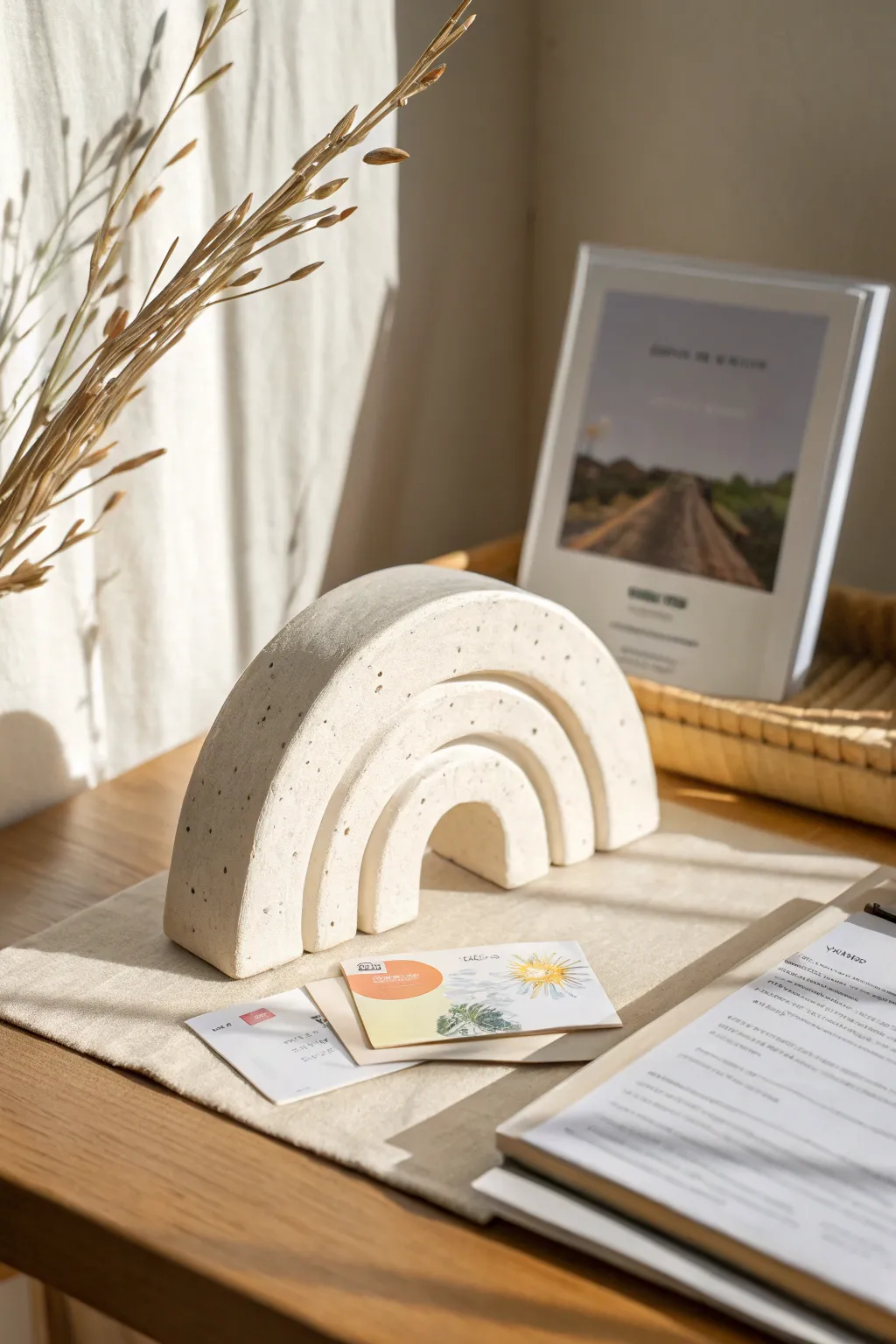
This minimalist card stand combines the playful shape of a rainbow with a sophisticated, concrete-inspired finish. The clever design features staggered arches with gaps between them, perfect for displaying your favorite postcards, photos, or daily reminders.
How-To Guide
Materials
- White or grey air-dry clay (approx. 500g)
- Black pepper or dried tea leaves (for the speckled effect)
- Rolling pin
- Sharp crafting knife or clay blade
- Measuring tape or ruler
- Sandpaper (fine grit)
- Cardboard or sturdy cardstock (for templates)
- Small bowl of water
- Sponge
Step 1: Preparation and Mixing
-
Create templates:
Begin by drawing three concentric semi-circles on cardstock to create your templates. The outer arch should be the largest, with each subsequent arch getting smaller to nest inside. Ensure there is about a 1/4 inch gap accounted for between each arch in your design. -
Cut templates:
Carefully cut out your three paper arch shapes. Test their fit by laying them on a flat surface to ensure the spacing looks even and pleasing. -
Prepare the clay:
Take a large chunk of air-dry clay and knead it until soft and pliable. If the clay feels too stiff, dip your fingers in water and work the moisture in. -
Add texture:
Flatten the clay slightly and sprinkle a pinch of coarse black pepper or dried tea leaves onto the surface. Fold the clay over and knead thoroughly to distribute the speckles evenly; this mimics the look of real stone.
Step 2: Shaping the Arches
-
Roll the slab:
Roll your speckled clay out into a thick, even slab. Aim for a thickness of at least 3/4 inch to 1 inch so the stand is heavy enough to remain stable. -
Cut the forms:
Place your cardstock templates onto the rolled clay. Using a sharp craft knife or blade, cut cleanly around each arch shape. -
Smooth the edges:
Dip your finger in a little water and run it along the cut edges of each arch to remove any sharpness or burrs from the cutting process. -
Refine the surface:
Use a slightly damp sponge to wipe down the front and back faces of the arches. This helps bring the speckled texture to the surface and ensures a super smooth finish.
Uneven Drying?
If you notice the arches warping as they dry, place a light book on top of them (with wax paper in between) during the first few hours to keep them perfectly flat
Step 3: Assembly and Finishing
-
Position the base:
Lay the arches flat on your work surface. To connect them, you’ll need two small rectangular strips of clay to act as hidden bridges at the base. -
Score and slip:
Use a needle tool to scratch cross-hatch marks on the bottom feet of all three arches. Do the same on your connector strips. -
Connect the arches:
Stand the arches up, spacing them evenly to leave a slot for cards. Press the connector strips firmly underneath the feet to bind all three arches together into a single unit. Blend the clay seams so the join is invisible from the sides. -
Check alignment:
Before the clay hardens, slide a piece of thick cardstock between the arches to ensure the gap is wide enough for your photos but tight enough to hold them upright. -
Initial drying:
Let the sculpture dry slowly in a cool, dry place. I usually tent a piece of plastic wrap loosely over the top for the first 12 hours to prevent cracking. -
Flip and dry:
After the first day, carefully turn the piece over or on its side to let the bottom dry out completely. Full drying may take 48 to 72 hours due to the thickness. -
Sand for perfection:
Once bone dry, take your fine-grit sandpaper and gently buff the surface. This will remove any fingerprints and make the stone texture feel incredibly professional. -
Seal (Optional):
For durability, apply a matte varnish. This protects the clay from moisture and preserves the raw, stone-like appearance.
Level Up: Color Tinting
Mix a tiny drop of acrylic paint (burnt sienna or ochre) into the wet clay before kneading. This gives the ‘stone’ a warmer, sandy tone rather than plain white
Place your new sculptural stand on your desk and enjoy the earthy vibe it brings to your workspace


The Complete Guide to Pottery Troubleshooting
Uncover the most common ceramic mistakes—from cracking clay to failed glazes—and learn how to fix them fast.
Air-Dry Clay Incense Holders
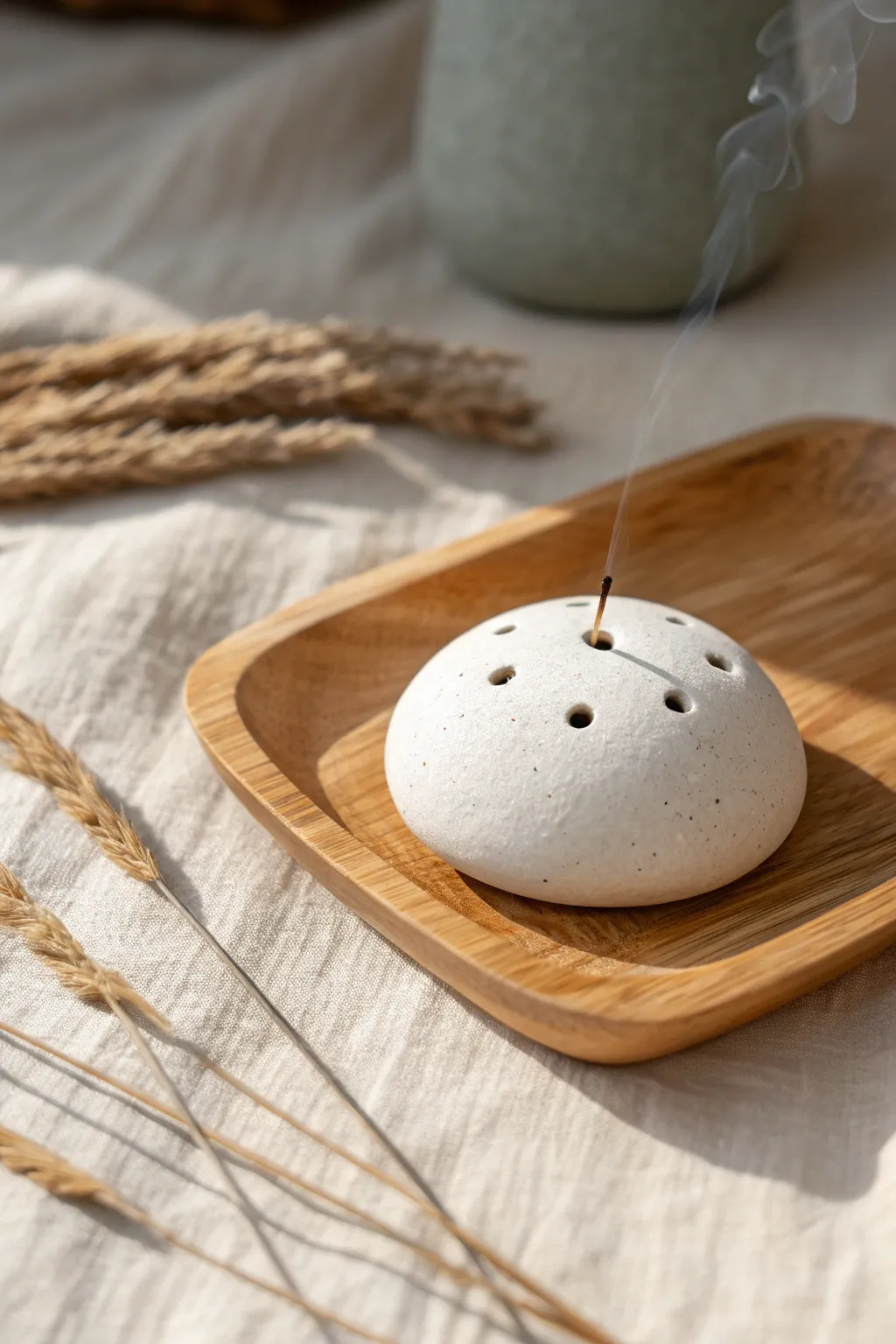
This project creates a serene, pebble-like incense burner that adds a touch of modern simplicity to any space. The finished piece features a clean, white dome shape with a speckled stone texture, perfect for holding stick incense while catching falling ash.
Step-by-Step Tutorial
Materials
- White air-dry clay (approximately a tennis ball size)
- Rolling pin or smooth glass jar
- Small bowl or sphere for shaping (optional)
- Fine-grit sandpaper
- Wooden skewer or toothpick
- Water and a small sponge
- Black acrylic paint
- Old toothbrush
- Clear matte varnish or sealant
Step 1: Shaping the Base
-
Condition the clay:
Start by kneading your white air-dry clay thoroughly. You want it warm and pliable to prevent cracks from forming later on. -
Form a ball:
Roll the conditioned clay between your palms to create a smooth, tight sphere. Aim for a shape free of seams or folds. -
Flatten the base:
Gently press the ball onto your work surface to flatten the bottom. You want a stable base, but keep the top remarkably rounded and dome-like. -
Refine the dome:
Use your palms to smooth the curvature of the dome. I like to gently cup the clay and rotate it to ensure the slope is even on all sides. -
Check symmetry:
Crouch down to eye level with your table to check the profile. Use a little water on your finger to smooth out any bumps or fingerprints.
Step 2: Adding the Details
-
Center puncture:
Using your wooden skewer, poke a hole directly in the center top of the dome. Push the skewer in about half-an-inch deep to ensure it can hold an incense stick securely. -
Widen the hole slightly:
Give the skewer a tiny wiggle. Clay shrinks as it dries, so the hole needs to be slightly larger than your incense sticks. -
Mark the outer ring:
Lightly tap the clay with the skewer to mark where your decorative holes will go. Aim for a circle about halfway down the slope of the dome. -
Create decorative vents:
Puncture the clay at your marked spots. Insert the skewer perpendicular to the curve of the dome for a radial look. -
Detail cleanup:
As you poke holes, the clay might bulge slightly. Smooth these ridges down immediately with a damp fingertip or the sponge.
Clean Hole Trick
Use a twisting motion when removing the skewer from the clay. Pulling straight out often drags clay with it, creating jagged edges.
Step 3: Finishing Touches
-
Dry completely:
Place the dome in a safe spot away from direct heat. Let it dry for 24 to 48 hours, flipping it occasionally to let the bottom breathe. -
Sand for smoothness:
Once fully cured and hard, use fine-grit sandpaper to buff the surface. Focus on removing any rough edges around the bottom rim. -
Dust off:
Wipe the entire piece with a barely damp cloth to remove the fine clay dust from sanding. -
Apply speckles:
Dilute a drop of black acrylic paint with water. Dip an old toothbrush into it, then run your thumb across the bristles to flick tiny specks of paint onto the white dome. -
Control the texture:
Practice the splatter technique on paper first. You want very fine mist-like dots to mimic natural stone, not large blobs. -
Let paint dry:
Allow the speckles to dry completely, which should only take about 10-15 minutes. -
Seal the piece:
Apply a coat of clear matte varnish. This protects the clay from ash stains and gives it a finished ceramic look without being too glossy.
Variation Idea
Mix dried tea leaves or used coffee grounds directly into the wet clay instead of painting. This creates a natural, earthy texture inside the material.
Place your new holder on a heat-safe tray or wooden coaster and enjoy the calming atmosphere.
Air-Dry Clay Candle Holders
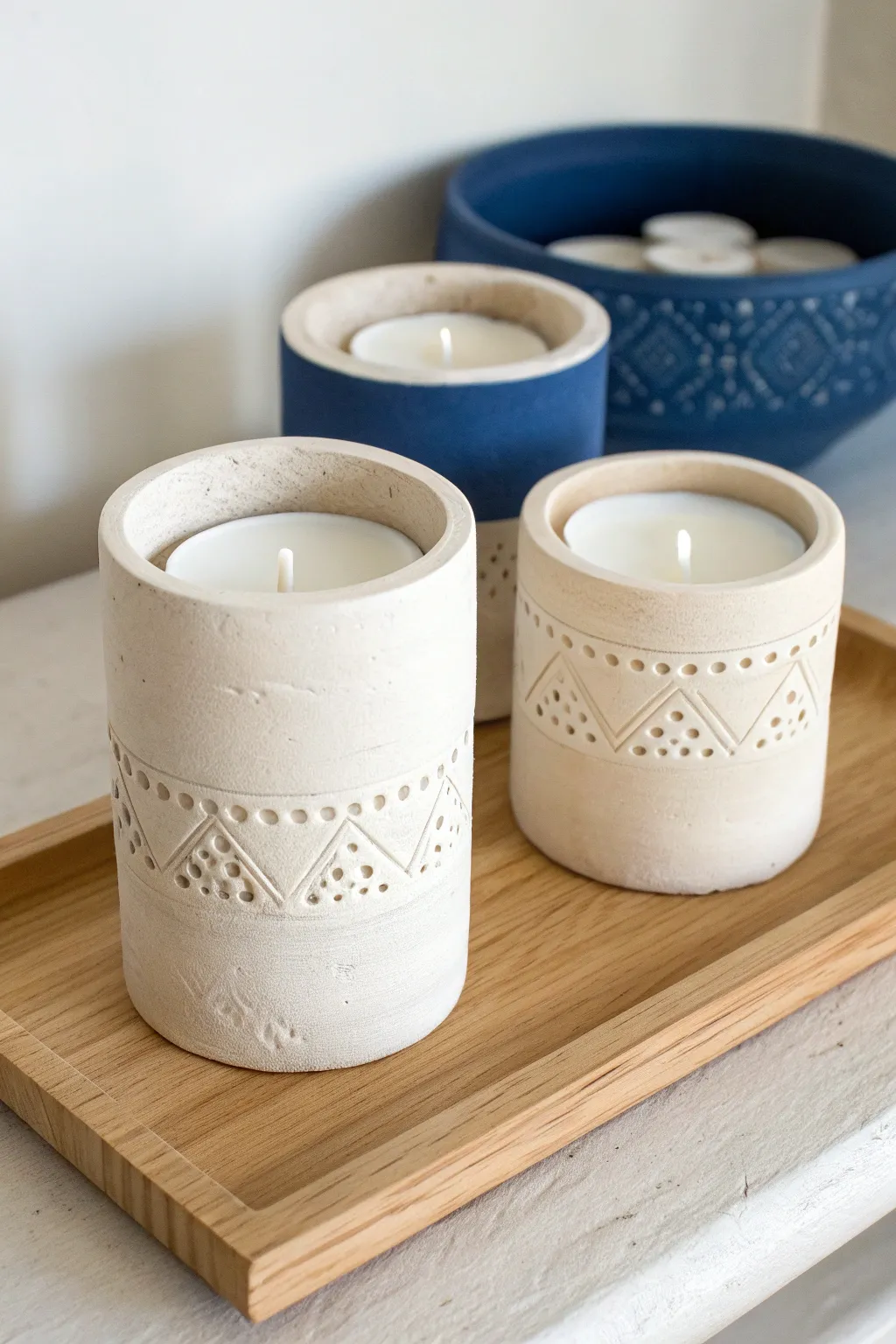
Create a warm, artisanal atmosphere with these textured candle holders that mimic the look of wheel-thrown pottery. Featuring a chunky cylindrical shape and delicate, hand-carved geometric patterns, their unfinished clay aesthetic adds a natural, earthy charm to any tablescapes.
Detailed Instructions
Materials
- White air-dry clay (approx. 500g per holder)
- Rolling pin
- Cardboard or plastic tube (for structure)
- Parchment paper
- Craft knife or clay cutter
- Slip (clay mixed with water)
- Small circular piping tip (or straw)
- Needle tool or toothpick
- Small bowl of water
- Sponge
- Sandpaper (fine grit)
Step 1: Forming the Cylinder
-
Prepare the workspace:
Begin by laying down a sheet of parchment paper to prevent sticking. I like to tape the corners down so it doesn’t slide around while I’m rolling. -
Roll the slab:
Take a large chunk of air-dry clay and condition it in your hands until it’s pliable. Roll it out into a long, rectangular slab about 1/4 inch thick. Aim for an even thickness throughout. -
Size the mold:
Wrap your cardboard or plastic tube in parchment paper. This parchment barrier is crucial so the clay doesn’t bond to your mold later. -
Cut to size:
Measure the height you want your candle holder to be (referencing the photo, we want varying heights) and cut a clean rectangle from your slab that is tall enough and long enough to wrap around your tube. -
Wrap the clay:
Carefully lift your clay slab and wrap it around the parchment-covered tube. Bring the two ends together until they just touch. -
Join the seam:
Score the edges where the clay meets by scratching cross-hatch marks with your needle tool. Apply a little slip (clay water paste) to the scratches. -
Blend the surface:
Press the seam together firmly. Use your thumb or a modeling tool to smooth the clay over the join line until it disappears completely. Repeat this on the inside if accessible. -
Create the base:
Roll a smaller piece of clay into a flat circle slightly larger than your cylinder’s diameter. Score and slip the bottom edge of your cylinder and press it onto this base. -
Trim the excess:
Use your craft knife to trim away the excess clay from the base, cutting flush against the cylinder walls for a seamless look.
Cracking Up?
If small cracks appear while drying, don’t panic. Mix a tiny bit of fresh clay with water to make a thick paste and fill the cracks. Smooth over with a damp finger and let dry again.
Step 2: Carving Details & Finishing
-
Create the rim:
To mimic the thick, substantial rim seen in the image, roll a thin coil of clay. Score and slip the top edge of your cylinder, attach the coil, and blend it downward to create that chunky lip. -
Initial smoothing:
Dip a sponge in water (squeeze it out well so it’s just damp) and run it over the entire piece to remove fingerprints and imperfections. Let the clay firm up for about an hour so it’s ‘leather hard’ before carving. -
Mark horizontal lines:
Using a ruler and your needle tool, lightly scribe two parallel horizontal lines around the middle or lower section of the cylinder to define the patterned band. -
Carve the triangles:
Within that band, draw a zigzag line to create a series of connecting triangles. Go over the lines with the needle tool to deepen the grooves slightly. -
Add circular indents:
Take your small circular object—like the end of a piping tip or a small straw—and press gentle circles along the horizontal borders and inside the triangles to create the dotted texture. -
Refine the holes:
If you want light to shine through, push the tool all the way through the clay. For surface texture only (like the photo), just press halfway deep. Clean up any clay crumbs with a soft brush. -
Remove the mold:
Once the clay is sturdy enough to hold its shape but not fully dry, carefully slide the inner tube out. Peel away the parchment paper. -
Dry completely:
Let the candle holder dry for 24-48 hours. Rotate it occasionally so air reaches all sides evenly. -
Sand and finish:
Once bone dry, use fine-grit sandpaper to smooth out any rough edges on the rim or base. Wipe away the dust with a dry cloth.
Blue Dip Dye
To get the two-tone look like the background holder, mix acrylic paint with water. Dip the dry holder half-way in quickly, or paint a solid block of color using masking tape for a crisp line.
Place a tea light or small pillar candle inside and enjoy the gentle glow through your custom carvings

TRACK YOUR CERAMIC JOURNEY
Capture glaze tests, firing details, and creative progress—all in one simple printable. Make your projects easier to repeat and improve.
Air-Dry Clay Pencil And Brush Cups
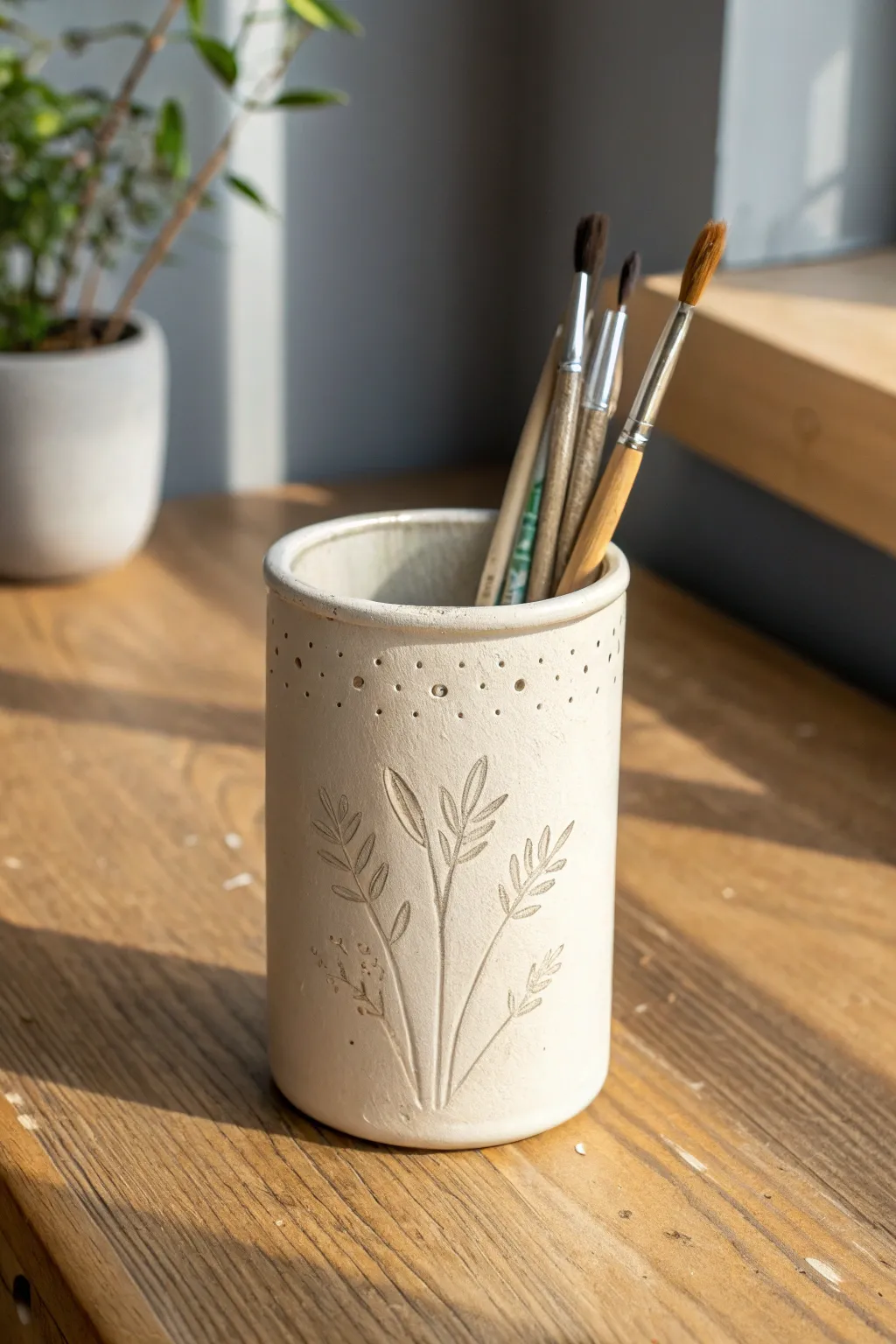
Bring a touch of organic warmth to your studio with this handcrafted brush cup featuring delicate botanical carvings. The minimal wheat pattern and dotted rim create a lovely texture that feels both rustic and refined.
Step-by-Step Guide
Materials
- White air-dry clay (about 1 lb)
- Rolling pin
- Creative craft knife or needle tool mixed set
- Small cylindrical container (as a mold form)
- Plastic wrap or parchment paper
- Slip (clay mixed with water)
- Sandpaper (fine grit)
- Matte sealant or varnish
- Ruler
Step 1: Forming the Base
-
Prepare your clay:
Start by kneading your white air-dry clay until it is soft and pliable. If it feels too dry, add a tiny drop of water; if too sticky, let it sit out for a few minutes. -
Roll the slab:
Roll out the clay on a flat surface to an even thickness of about 1/4 inch. Try to keep the thickness consistent so the cup walls are sturdy. -
Cut the base:
Place your cylindrical mold (like a heavy glass or a taped-up cardboard tube) onto the clay and trace a circle around it with your knife. Cut this out to serve as the floor of your cup. -
Measure the walls:
Measure the circumference of your mold form. Cut a rectangular strip from your rolled clay that is slightly longer than that circumference and as tall as you want your cup to be—about 4 to 5 inches is usually perfect for brushes.
Step 2: Building the Cylinder
-
Wrap the mold:
Wrap your mold form in parchment paper or plastic wrap. This step is crucial so the clay doesn’t stick to the object when you slide it off later. -
Attach the wall:
Wrap the rectangular clay strip around the mold. Where the ends meet, slice through both layers of clay at a diagonal angle to create a beveled seam. -
Seal the seam:
Score the beveled edges with a needle tool (scratching hash marks) and apply a little slip. Press the edges together firmly and smooth over the join with your finger or a modeling tool until the seam disappears. -
Attach the base:
Score and slip the bottom edge of your cylinder wall and the outer edge of your circular base. Press the cylinder onto the base. Use a tool to blend the clay from the wall down onto the base on the outside, ensuring a tight seal. -
Refine the rim:
Gently smooth the top rim with a damp sponge or finger. You can leave it slightly rounded for a softer look or flatten it for a sharper edge.
Smooth Seams Pro-Tip
Use a barely damp sponge to smooth out your vertical seam. If you overwork it with water, the clay might weaken or sag, so aim for just enough moisture to blend the line.
Step 3: Adding the Design
-
Sketch lightly:
Before carving, use a needle tool to very lightly sketch your botanical design onto the cylinder. Start with three main vertical stems branching out from a central point near the base. -
Carve the stems:
Using a carving tool or dull knife, incise the main stems. Don’t cut all the way through; just press deep enough to create a visible groove. -
Add leaves and wheat:
Carve small V-shapes or dashes branching off the main stems to create the look of wheat grains or leaves. Keep your strokes loose and gentle. -
Pierce the rim:
Using a small skewer or the poker tool, press a row of dots around the upper rim. Make larger holes spaced evenly, then fill the gaps with tinier pin-pricks for variety.
Level Up: Color Wash
Mix a tiny bit of brown acrylic paint with water and brush it over the dried carvings. Wipe the surface immediately with a rag so the dark color stays only in the grooves.
Step 4: Finishing Touches
-
Remove the form:
Once the clay has stiffened slightly but isn’t fully dry (usually 1-2 hours), carefully slide the mold form out. Leaving it in too long can cause cracking as the clay shrinks. -
Dry completely:
Let the cup dry in a cool, draft-free spot for 24-48 hours. Turn it occasionally to ensure airflow to the bottom. -
Sand for smoothness:
Once bone dry, take your fine-grit sandpaper and gently rub away any rough fingerprints or sharp edges, being careful around your carvings. -
Seal the piece:
To protect your holder from stains and moisture, apply 1-2 coats of a matte varnish or sealant. This keeps that natural clay look while making it durable.
Fill your new vessel with your favorite tools and admire how it tidies up your workspace with natural elegance
Air-Dry Clay Desk Organizer Tray
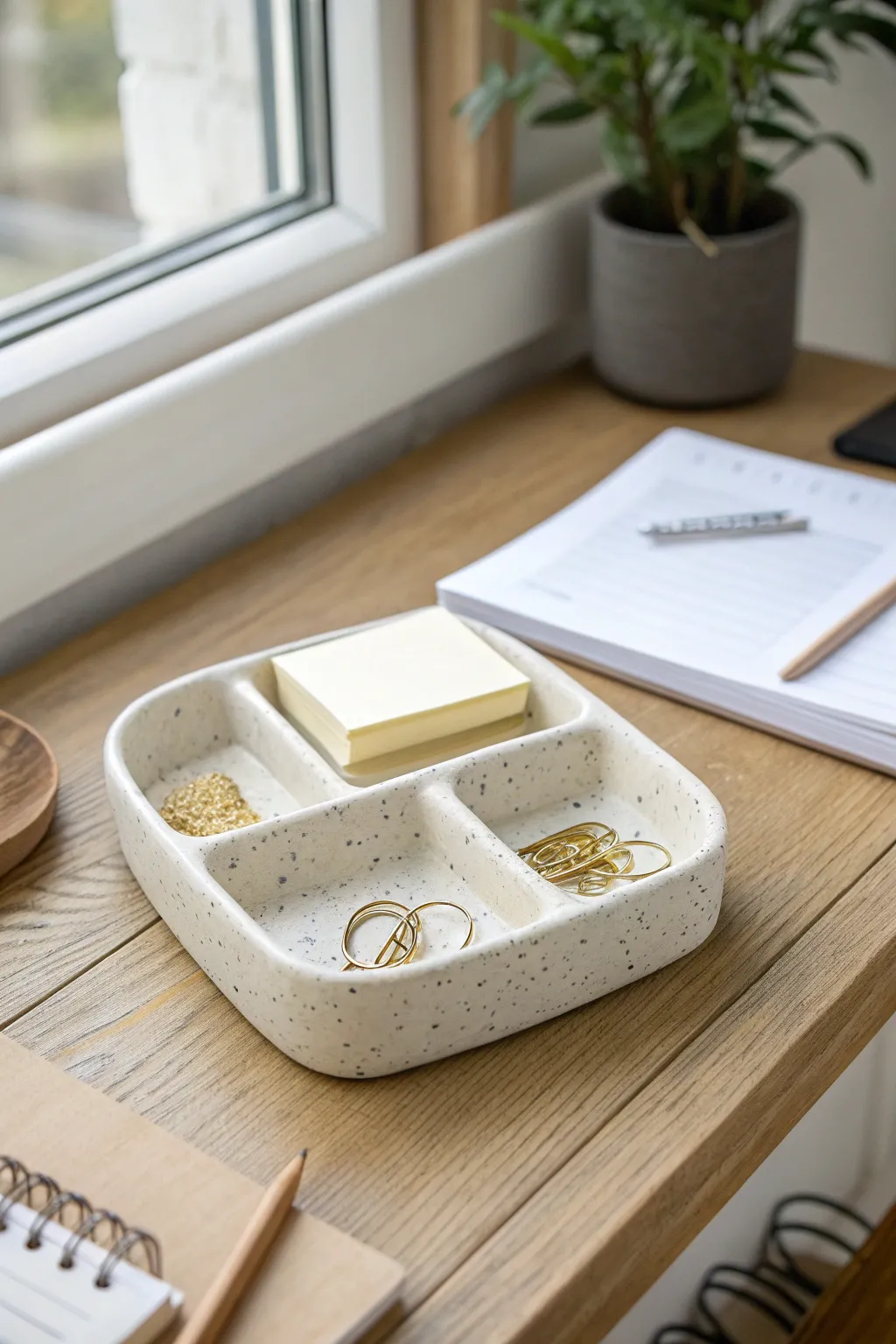
Elevate your workspace with this chic, minimalist organizer that mimics the look of high-end speckled stoneware. Featuring three compartments perfectly sized for sticky notes and paper clips, it combines sleek rounded corners with a natural, matte finish.
How-To Guide
Materials
- White air-dry clay (approx. 500g)
- Rolling pin
- Two wooden rulers or depth guides (approx. 5-6mm thick)
- Sharp craft knife or clay blade
- Paper template (square)
- Small cup of water
- Sponge or paintbrush
- Sandpaper (fine grit)
- Acrylic paint (cream or off-white)
- Acrylic paint (black or dark brown for speckles)
- Old toothbrush
- Matte varnish or sealant
Step 1: Shaping the Base and Walls
-
Roll the base:
Begin by conditioning your clay until it’s pliable. Place it between your depth guides and roll it out into a smooth slab. Cut out a 5-inch square using your paper template and knife to create the base. -
Cut the wall strips:
Re-roll the remaining clay to the same thickness. Cut long strips that are about 1 inch tall. You will need enough length to go around the perimeter plus extra for the dividers. -
Attach the outer walls:
Score the edges of your square base and the bottom of your first wall strip with a needle tool or knife. Apply a little water to the scored areas to create a ‘slip’ for adhesion. -
Secure and smooth:
Press the wall strip firmly onto the base, wrapping it around the corners. I prefer to gently curve the clay rather than making sharp right angles for a softer look. Use a modeling tool or your finger to smooth the seam inside and out.
Seamless Smoothness
Use a damp makeup sponge instead of your fingers for the final smoothing pass before drying; it removes fingerprints completely.
Step 2: Creating Compartments
-
Measure the dividers:
Cut a strip of clay for the main horizontal divider. Measure the interior width of your box to ensure a snug fit. -
Install the main divider:
Score and slip the contact points about two-thirds of the way back in the tray. Insert the strip to create the large back compartment meant for sticky notes. -
Add the small divider:
Cut a shorter strip to divide the front section in half. Score, wet, and press this piece perpendicular to the front wall and the main divider. -
Refine the joins:
Spend time smoothing all the interior corners where the walls meet. A slightly damp brush works wonders for blending these seams invisibly. -
Round the edges:
Dip your finger in water and run it along all top rims to soften the sharp cut edges into smooth, rounded lips.
Cracking Issues?
If small cracks appear while drying, mix a tiny bit of fresh clay with water to make a paste and fill them in, then sand smooth once dry.
Step 3: Finishing and Decoration
-
Let it dry completely:
Allow the piece to dry for 24-48 hours. Turn it over gently halfway through if possible to let the bottom dry evenly. -
Sand for smoothness:
Once fully dry and hard, use fine-grit sandpaper to buff away any fingerprints or rough textures on the rims and outer walls. -
Apply base color:
Paint the entire organizer with a coat of cream or off-white acrylic paint. This creates a uniform canvas even if your clay was already white. -
Create the speckles:
Dilute a tiny amount of black or dark brown paint with water. Dip an old toothbrush into this mixture. -
Flick the paint:
Hold the toothbrush over the tray and run your thumb across the bristles to flick tiny speckles onto the surface. Practice on paper first to control the spray. -
Seal the piece:
After the paint is bone dry, apply a coat of matte varnish to protect the surface from scratches and give it that finished ceramic feel.
Now you have a custom organizer ready to tidy up your desk with style
Air-Dry Clay Bud Vases (Decor Only)
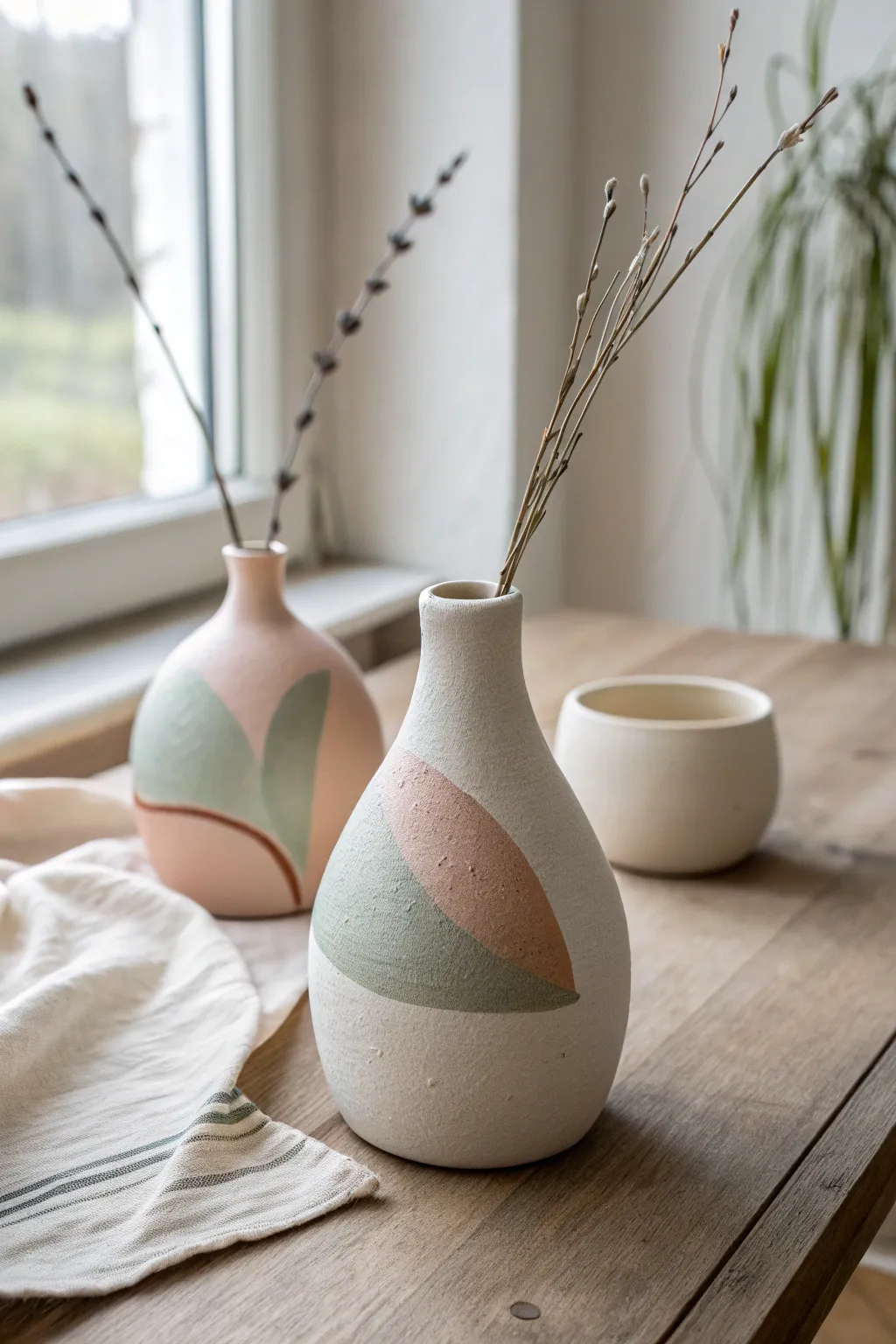
Bring a touch of organic modernism to your home with these uniquely shaped bud vases featuring soft pastel arches. The earthy texture and soothing sage and blush tones create a serene display perfect for dried botanicals.
Step-by-Step Tutorial
Materials
- White air-dry clay (approx. 1 kg)
- Rolling pin
- Small bowl for water
- Pointed pottery tool or craft knife
- Sponge or fine-grit sandpaper
- Acrylic paints (White, Sage Green, Dusty Pink/Terracotta)
- Small flat paintbrush
- Matte sealant or varnish
- Dried twigs/stems for display
Step 1: Sculpting the Base Form
-
Condition the Clay:
Begin by taking a substantial chunk of air-dry clay, about the size of a grapefruit. Knead it in your hands to warm it up and ensure there are no air bubbles, making it pliable and easy to work with. -
Form the Pinch Pot Base:
Roll the clay into a smooth ball. Insert your thumb into the center and gently pinch the walls while rotating the ball to create a hollow base. Aim for consistent wall thickness, leaving the bottom slightly thicker for stability. -
Build the Walls:
To gain height, roll out thick coils of clay. Score the rim of your pinch pot and the coil, apply a little water as slip, and stack the coil on top. Smear the clay downwards with your thumb to seamlessly join the coil to the base. -
Shape the Neck:
As you add coils, gently taper the form inwards to create the bottle shape. For the vase shown, you want a bulbous bottom that transitions into a narrow, elegant neck. -
Refine the Rim:
Once you reach your desired height, trim the top rim with a craft knife or modeling tool to make it even. Use a wet finger to smooth the edge so it isn’t sharp or jagged. -
Smooth the Surface:
Dip a sponge or your fingers in water and smooth the entire exterior. I prefer to leave a little bit of the hand-formed texture rather than making it perfectly machine-smooth, as it adds character.
Texturizing Trick
Mix a pinch of baking soda into your acrylic paint before applying. This creates a grainy, ceramic-like finish that mimics stoneware.
Step 2: Finishing & Decoration
-
Let it Dry:
Allow the vase to dry completely. This is crucial; it usually takes 24-48 hours depending on humidity. Rotate it occasionally so the bottom dries evenly. -
Sand for Texture:
Once fully dry and chalky white, use fine-grit sandpaper to gently buff away any harsh bumps or fingerprints. Wipe away the dust with a barely damp cloth. -
Base Coat:
Mix a small amount of white acrylic paint with a drop of beige or gray to create an off-white, stony base color. Paint the entire vase and let it dry. -
Draft the Design:
Lightly sketch your abstract shapes using a pencil. For this look, draw large, sweeping curves that mimic leaves or overlapping hills. -
Paint the Sage Shape:
Using a flat brush, fill in one of your curved sections with sage green paint. It may need two thin coats for opaque coverage. -
Add the Blush Accent:
Paint the adjacent or overlapping shape with a dusty pink or terracotta hue. Keep the lines crisp where the colors meet the white background. -
Seal the Project:
Since air-dry clay isn’t waterproof, apply a matte varnish to protect the paint. Remember, these vessels are for dried flowers only, not water.
Cracks Appearing?
If small cracks form while drying, create a ‘slip’ paste mixture of clay and water. Fill the cracks, smooth over, and let dry again.
Place your favorite dried stems inside and enjoy the calm aesthetic of your handmade pottery
Air-Dry Clay Mini Magnet Vases
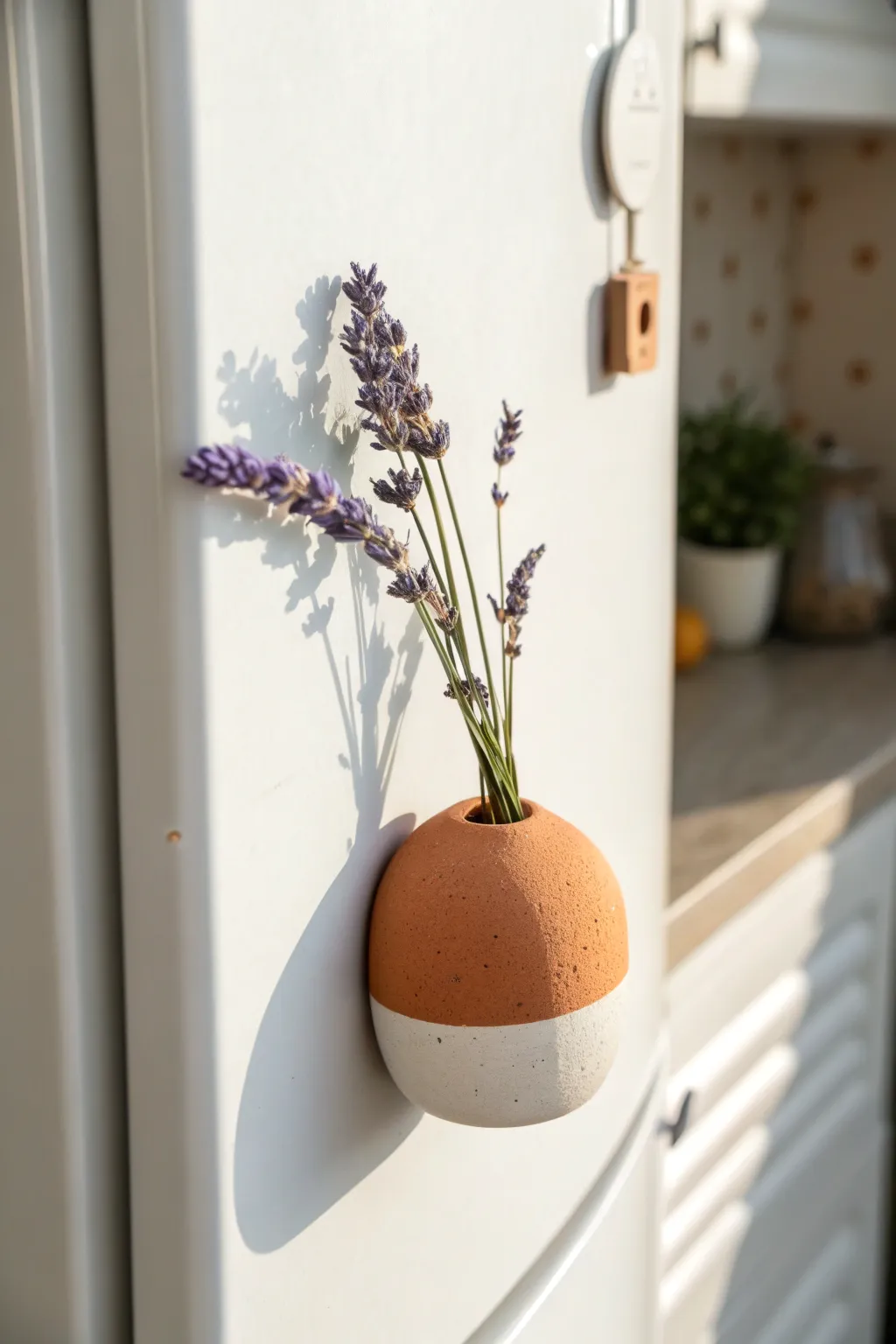
Bring a touch of minimalist charm to your kitchen with these clever magnetic mini vases. Crafted from air-dry clay to mimic the look of terracotta pottery, they are the perfect size for holding dried blooms or lightweight sprigs like lavender.
Step-by-Step
Materials
- Terracotta-colored air-dry clay (or standard white clay + acrylic paint)
- Strong round neodymium magnets (approx. 1/2 inch)
- White acrylic paint
- Small paintbrush
- Rolling pin
- Drinking straw or skewer
- Sandpaper (fine grit)
- Strong craft glue (E6000 or similar)
- Water bowl and sponge
- Painter’s tape or masking tape
- Matte varnish (optional)
Step 1: Shaping the Clay Body
-
Condition the Clay:
Start by taking a golf-ball-sized amount of terracotta air-dry clay. Knead it in your hands for a minute until it is soft, pliable, and free of cracks. -
Form a Ball:
Roll the clay between your palms to create a smooth, tight sphere. Ensure there are no major seams or air pockets. -
Create the Opening:
Use your thumb or the end of a thick marker to gently press a hole into the top of the sphere. Don’t go all the way through; stop about three-quarters of the way down. -
Refine the Shape:
Gently gently flatten the front and back of the sphere just slightly against your work surface. This creates a pillowy, oval shape rather than a perfect ball, which sits better against the fridge. -
Flatten the Back:
Press the back side firmly against a flat surface to create a truly flat plane where the magnet will eventually go. This is crucial for a strong hold. -
Widen the Neck:
Use a drinking straw or a chopstick to refine the opening you made earlier. Wiggle it slightly to ensure the neck is wide enough to hold a few stems. -
Smooth the Surface:
Dip your finger in a little water and glide it over the clay to erase fingerprints and smooth out any small cracks. I like to use a barely damp sponge for a final pass to get that uniform texture.
Magnet Strength Tip
Use neodymium (rare earth) magnets rather than standard black craft magnets. Clay can be heavy, and you don’t want your vase sliding down the fridge door.
Step 2: Embedding the Magnet & Drying
-
Embed the Magnet:
While the clay is still wet, press your magnet firmly into the flat back side to create an indentation. Remove the magnet immediately—we are just making the space for it now, not gluing it yet. -
Allow to Dry:
Place your vase on a wire rack or piece of parchment paper. Let it dry completely for 24-48 hours. Rotate it occasionally so all sides dry evenly. -
Sand Imperfections:
Once fully dry and hard, use fine-grit sandpaper to buff away any rough spots, especially around the rim of the opening and the bottom curve.
Make It Glossy
For a modern ceramic look, apply a high-gloss varnish specifically to the white painted section while keeping the terracotta section matte and natural.
Step 3: Painting & Finishing
-
Tape Section:
Apply a strip of painter’s tape horizontally across the middle of the vase. Press down firmly to seal the edge so paint won’t bleed underneath. -
Paint the Base:
Paint the area below the tape with white acrylic paint. You may need two or three thin coats for opaque coverage, letting each coat dry in between. -
Remove Tape:
Carefully peel off the tape while the last coat of paint is still slightly tacky to ensure a crisp, clean line between the terracotta and white sections. -
Glue the Magnet:
Apply a dab of strong craft glue (like E6000) into the indentation you made on the back. Press the magnet in and let the glue cure according to the package instructions. -
Seal (Optional):
If you want extra durability, brush a coat of matte varnish over the entire piece. This helps protect the raw clay texture from humidity. -
Add Greenery:
Once everything is set and dry, arrange a few stems of dried lavender or baby’s breath inside your new miniature vessel.
Pop your creation onto the fridge to enjoy a lovely floral accent right in your kitchen workspace
Air-Dry Clay Jewelry Catch-All Bowl
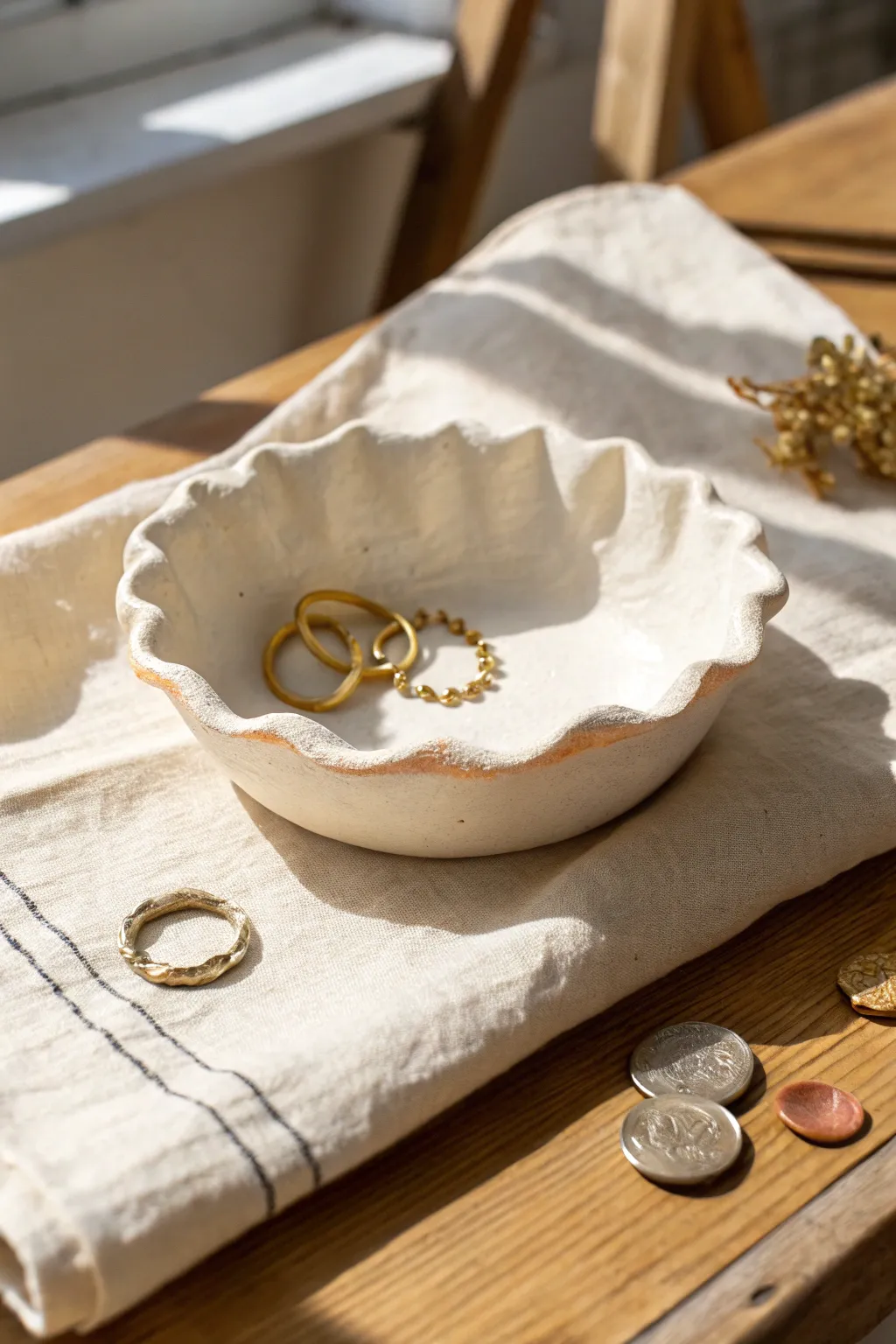
This charming, rustic jewelry dish features a gentle, undulating rim that mimics the organic curves of a seashell or a flower petal. Its natural off-white finish and subtle golden rim accents make it a perfect minimalist home for your favorite rings and trinkets.
Detailed Instructions
Materials
- White classic air-dry clay (e.g., DAS or Crayola)
- Rolling pin or smooth glass jar
- Small bowl or round cutter (approx. 4-5 inches diameter) for template
- Craft knife or needle tool
- Small bowl for shaping (to drape clay over or inside)
- Cup of water and sponge
- Fine grit sandpaper (220-400 grit)
- Gold acrylic paint or gold leaf pen
- Small detail paintbrush
- Gloss or matte varnish (optional)
Step 1: Preparing the Base
-
Condition the clay:
Cut off a chunk of air-dry clay roughly the size of a tennis ball. Knead it in your hands for a minute or two to warm it up and ensure it is pliable and free of air bubbles. -
Roll it out:
Place the clay on a clean, smooth surface or canvas mat. Use your rolling pin to flatten the clay evenly until it is about 1/4 inch thick. Try to keep the thickness consistent. -
Cut the circle:
Place your bowl or round template onto the rolled clay lightly to mark the size. Use your craft knife or needle tool to cut around the template, creating a clean clay disc. -
Smooth the edges:
Dip your finger in a little bit of water and run it gently around the cut edge of the circle. This removes sharp corners and prevents cracking as the clay dries.
Water Wisdom
Don’t use too much water when smoothing! Excess water can weaken air-dry clay and cause warping. Just a damp finger or sponge is plenty.
Step 2: Shaping the Bowl
-
Set up the form:
You can shape this inside a bowl or draped over the bottom of an upside-down bowl. For the look in the photo, placing the clay *inside* a slightly larger bowl works well to support the sides. -
Lift the sides:
Gently lift the edges of your clay disc, cupping it in your hand to create a shallow curve before placing it onto your forming bowl. -
Create the waves:
Use your thumb and forefinger to gently pinch the rim at regular intervals. Push slightly inward with one finger while supporting the outside with two fingers to create the fluted, wavy effect shown in the image. -
Refine the undulation:
Go around the rim a second time, emphasizing the highs and lows of the wave pattern. I find that making them slightly irregular adds to the organic charm. -
Smooth the interior:
Use a damp sponge to very lightly wipe the inside of the bowl, ensuring no fingerprints are left behind.
Make it Marble
Before rolling, twist two different colors of clay together (like white and beige) but stop before they fully blend for a chic marble effect.
Step 3: Drying and Finishing
-
Initial dry time:
Let the bowl sit in its form for about 24 hours. Keep it away from direct heat sources to prevent uneven drying. -
Flip and finish drying:
Once the clay is firm enough to hold its shape, carefully remove it from the mold and turn it over so the bottom gets air exposure. Let it dry for another 24-48 hours until completely bone dry and white. -
Sand for smoothness:
Using fine-grit sandpaper, gently sand the rim and any rough patches on the surface. Focus on making the wavy edge feel soft to the touch. -
Clean dust:
Wipe the entire piece with a slightly damp cloth or a dry soft brush to remove all sanding dust. -
Prepare the gold paint:
Shake your gold acrylic paint or prime your gold leaf pen. You want a very pigmented metallic gold for this step. -
Paint the rim:
Carefully trace the very edge of the wavy rim with the gold paint. Apply it sparingly—you want a delicate line that highlights the irregular shape. -
Seal the piece:
Once the gold paint is fully dry, apply a coat of varnish to seal the clay and protect it from moisture. A matte varnish keeps the natural look, while gloss adds a ceramic feel.
Now you have a delicate, custom piece ready to hold your treasures on a bedside table or vanity
Air-Dry Clay Terrazzo Tiles And Trays
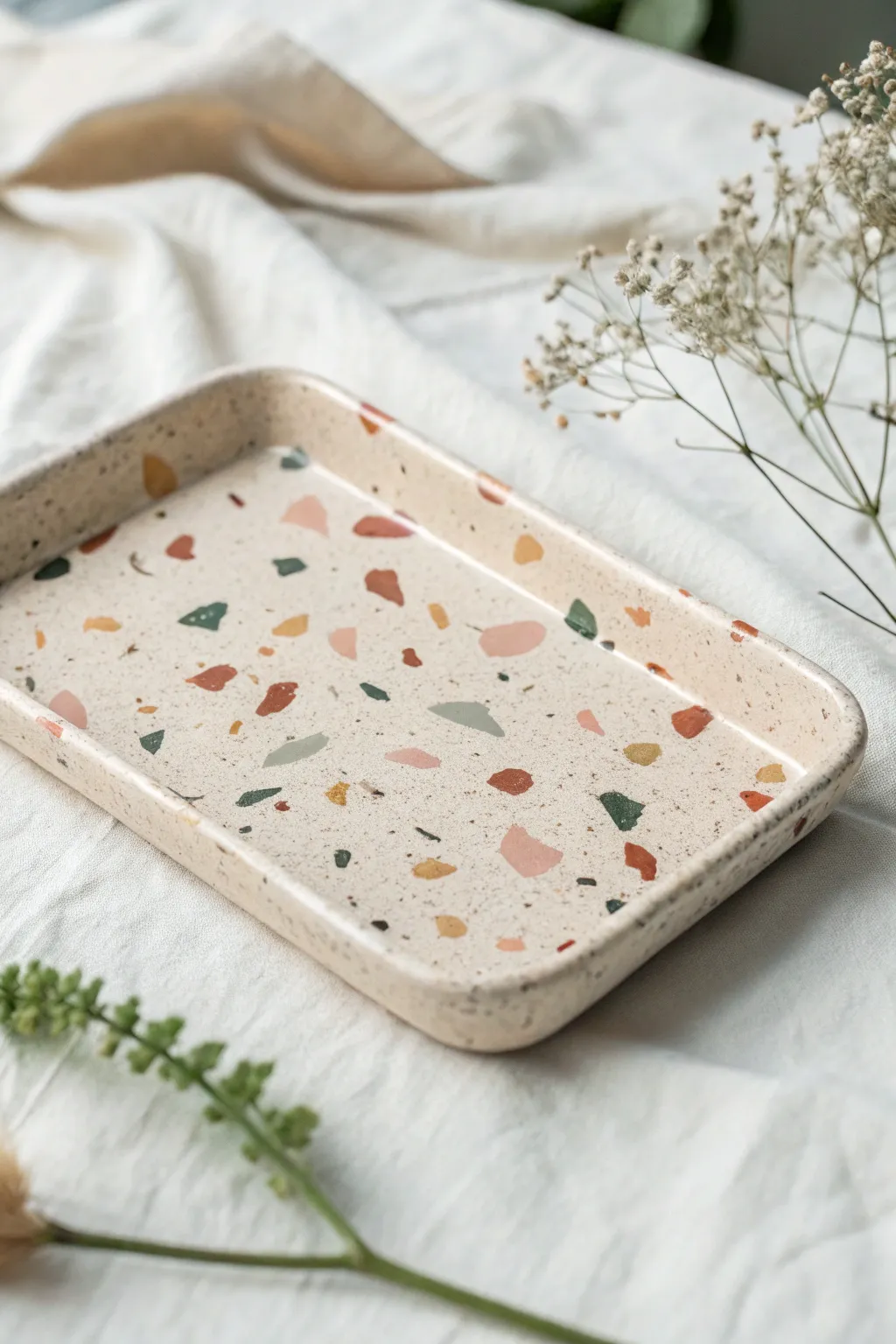
Achieve the high-end look of polished stone terrazzo without the heavy equipment using simple air-dry clay. This rectangular tray features a creamy speckled base embedded with colorful chips in earthy terracotta, mustard, and sage tones.
How-To Guide
Materials
- White or cream air-dry clay (approx. 500g)
- Acrylic paints (terracotta, mustard yellow, sage green, dark forest green)
- Rolling pin
- Precision knife or clay cutting blade
- Fine-grit sandpaper
- Gloss or satin varnish (mod podge or polyurethane)
- Small paintbrush
- Rolling guides or wooden slats (optional for even thickness)
- Baking paper or non-stick mat
Step 1: Creating the Chips
-
Mix colored clays:
Pinch off four small walnut-sized pieces of white clay. Mix a drop of acrylic paint into each piece to create your chip colors: terracotta, mustard, sage, and dark green. Knead until the color is solid and uniform. -
Flatten the colored bases:
Roll each colored ball out very thinly, almost like paper. The thinner they are, the more delicate your final terrazzo pieces will be. -
Dry the sheets:
Let these thin colored sheets sit for about 20-30 minutes. You want them to be semi-dry—leathery enough to cut easily, but not totally brittle. -
Chop into fragments:
Use your knife or just your fingers to crumble and cut the colored sheets into irregular, angular chips. Aim for a variety of sizes, from tiny specks to larger triangles.
Stone Texture Trick
Add used coffee grounds or cracked black pepper into your white base clay before rolling. This mimics the tiny mineral specks found in real stone.
Step 2: Forming the Tray Base
-
Prepare the speckle mix:
To get that sandy, stone-like texture on the main body, take your large block of white clay and knead in some dried dark clay crumbs or even actual sand. I find adding a tiny dot of brown paint warms it up nicely too. -
Roll out the slab:
Roll your base clay out into a thick slab, roughly 1/4 inch thick. Integrating the chips requires pressing them *in*, so don’t roll it to the final thickness just yet. -
Apply the chips:
Scatter your colored chips generously over the top of the slab. Don’t be afraid to overlap them slightly or leave some gaps. -
embed the pattern:
Place a sheet of baking paper over the chips and use your rolling pin to firmly press them into the base slab. Roll until the surface is completely flat and the chips are flush with the white clay.
Go Geometric
Instead of random shards, use small cookie cutters or a straw to cut your colored clay into uniform circles or hexagons for a modern ‘confetti’ look.
Step 3: Shaping and Refining
-
Cut the rectangle:
Use a ruler and your knife to cut a clean, straight rectangle from your patterned slab. Save the excess scraps for smaller projects. -
Create the rim:
Slice long strips of clay from your leftover plain or speckled mix, about 0.5 to 0.75 inches tall. These will form the walls of your tray. -
Score and slip:
Score (scratch) the edges of your rectangular base and the bottom edge of your clay strips. Apply a little water or liquid clay (slip) to act as glue. -
Attach the walls:
Press the strips onto the base to form the walls. Smooth the seams on the inside and outside using your finger or a clay tool until the join is invisible. -
Curve the corners:
If you want the rounded look from the photo, gently press and mold the corners of the tray to soften the sharp angles. -
Dry completely:
Let the tray dry slowly for 24-48 hours. Turn it over periodically to ensure the bottom dries evenly and to prevent warping.
Step 4: Finishing Touches
-
Sand for clarity:
Once bone dry, sand the entire surface, focusing on the terrazzo area. Sanding removes the top layer of clay haze and makes the colored chips pop vividly. -
Dust off:
Wipe the tray with a barely damp cloth or a dry brush to remove all fine clay dust. -
Seal:
Apply 2-3 coats of gloss or satin varnish to seal the clay and give it that polished stone ceramic effect.
Place your finished tray on a coffee table or vanity to hold jewelry in style
Air-Dry Clay Statement Earrings
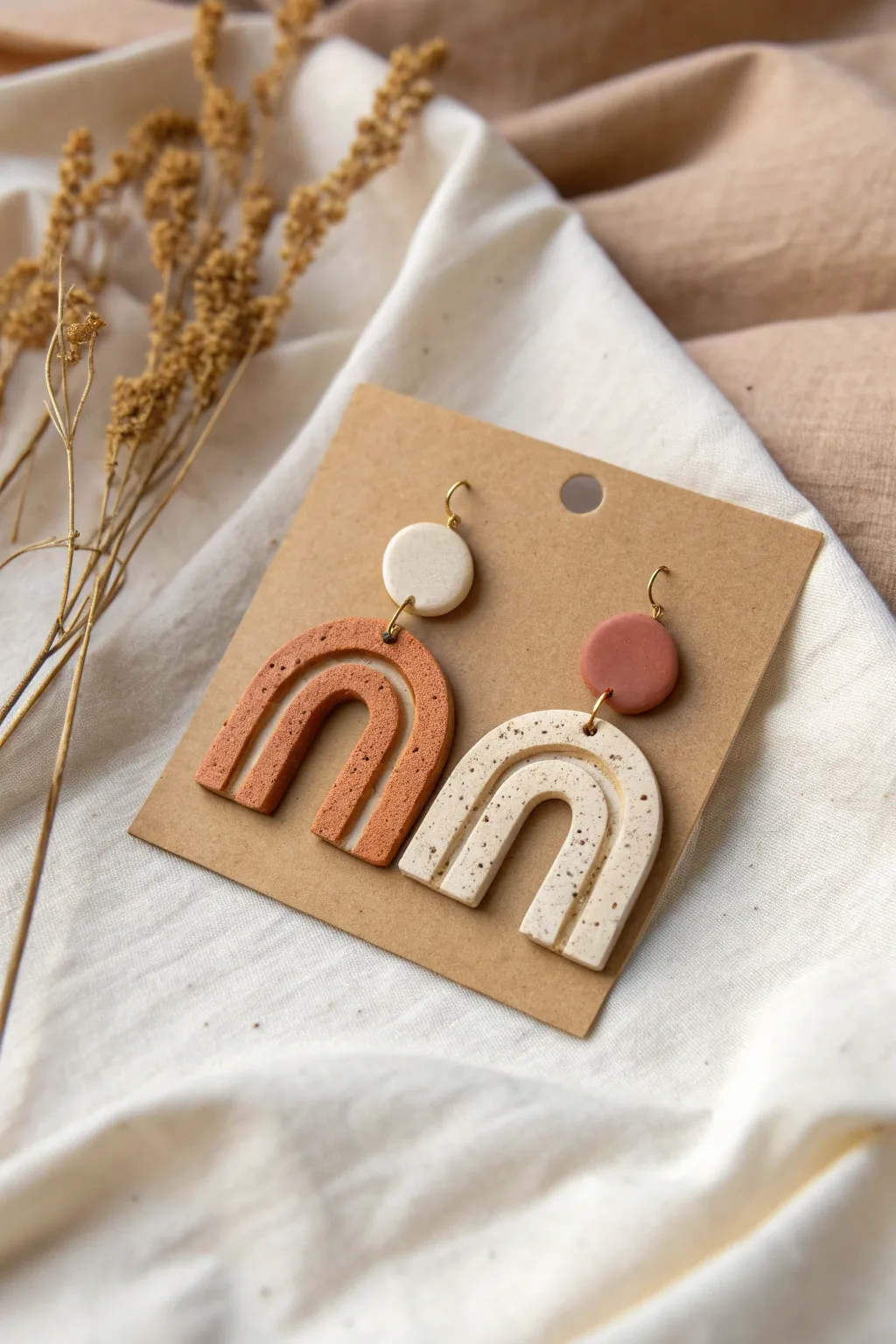
Embrace the beauty of asymmetry with these earthy, mismatched statement earrings featuring a stunning carved arch design. Using air-dry clay, you’ll capture a warm, bohemian aesthetic with speckled textures and complementary terracotta and cream tones.
Step-by-Step Tutorial
Materials
- Air-dry clay (white or cream)
- Acrylic paint (terracotta/burnt orange and dark brown)
- Rolling pin
- Parchment paper or smooth work mat
- U-shaped clay cutter (or a printout template and craft knife)
- Small circle cutter (approx. 1cm diameter)
- Needle tool or toothpick
- Carving tool or small loop tool
- Fine-grit sandpaper (400 grit)
- Jump rings (gold)
- Earring hooks or studs
- Jewelry pliers
- Gloss or matte varnish (optional)
Step 1: Color Mixing and Prep
-
Hydrate the clay:
Begin by kneading a fist-sized ball of white air-dry clay until it is warm, pliable, and free of cracks. If it feels too dry, dip your fingers in water and work the moisture in. -
Mix the terracotta shade:
Separate the clay into two equal portions. To one portion, add a few drops of terracotta or burnt orange acrylic paint. Knead the color thoroughly into the clay until you achieve a uniform, solid hue. Add paint gradually to avoid making the clay sticky. -
Create the speckled cream:
For the second portion of white clay, we want a speckled granite look. Take a stiff toothbrush or paintbrush, dip it in dark brown paint, and lightly flick speckles onto the flattened clay. Fold and knead the clay just enough to distribute the flecks throughout the depth of the material without blending them into a muddy color. -
Roll it out:
Roll both the terracotta ball and the speckled cream ball onto parchment paper. Aim for a thickness of about 4mm to 5mm—thick enough to carve later, but thin enough to be lightweight.
Clean Cuts Every Time
Before pressing your cutter into the clay, dip the edges into a little bit of cornstarch or flour. This acts as a release agent and prevents the clay from sticking to the metal.
Step 2: Cutting and Sculpting
-
Cut the main arches:
Using your U-shaped cutter, punch one arch shape from the terracotta slab and one from the speckled cream slab. If you don’t have a cutter, trace a paper template and cut carefully with a craft knife. -
Cut the circle toppers:
Using the small circle cutter, cut one circle from the cream clay and one from the terracotta clay. We are aiming for a mismatched look, so plan to pair the cream circle with the terracotta arch, and vice versa. -
Smooth the edges:
Dip your finger in a tiny bit of water and gently run it along the cut edges of all four pieces to soften any sharp ridges left by the cutter. -
Carve the groove:
This is the signature detail. Use a small loop tool or a carving tool to gently gouge a U-shaped channel in the center of both arch pieces. I prefer to do this while the clay is still wet for cleaner lines, though you can also carve dry clay. -
Refine the groove:
Go back over your carved channel with a damp paintbrush or a wet cotton swab to smooth out any clay crumbs or roughness inside the groove. -
Piercing holes:
Use a needle tool to poke holes for the hardware. You need a hole at the very top center of each arch and a corresponding hole at the bottom of each circle stud. Make sure the hole is big enough for your jump rings.
Level Up: Texture Play
Before cutting your shapes, gently press a piece of lace or a textured fabric onto the clay slab. This transfers a delicate pattern that adds incredible depth to the finished piece.
Step 3: Finishing and Assembly
-
Let it dry:
Lay your pieces flat on a piece of parchment paper or a wire rack. Let them dry for at least 24–48 hours away from direct heat to prevent warping. Flip them over halfway through. -
Sand for perfection:
Once fully cured, use fine-grit sandpaper to buff away any final unevenness on the edges or the back. Be gentle with the carved areas to maintain their definition. -
Seal (optional):
If you want extra durability or a specific finish, apply a thin coat of matte or gloss varnish. A matte finish looks best to keep that raw, ceramic feel. -
Attach the jump rings:
Using two pairs of jewelry pliers, twist open a jump ring. Thread it through the top of the terracotta arch and the bottom of the cream circle. Twist it closed securely. -
Link the second pair:
Repeat the process for the second earring, attaching the speckled cream arch to the terracotta circle. -
Add earring findings:
Glue a flat-back earring post to the back of the small circles using strong jewelry glue (like E6000). Alternatively, if you prefer hooks, you would have needed to punch a hole at the top of the circle pieces in the earlier step to attach a hook via jump ring.
Now you have a chic, gallery-worthy accessory that adds an artistic touch to any outfit
Air-Dry Clay Alphabet Ornaments
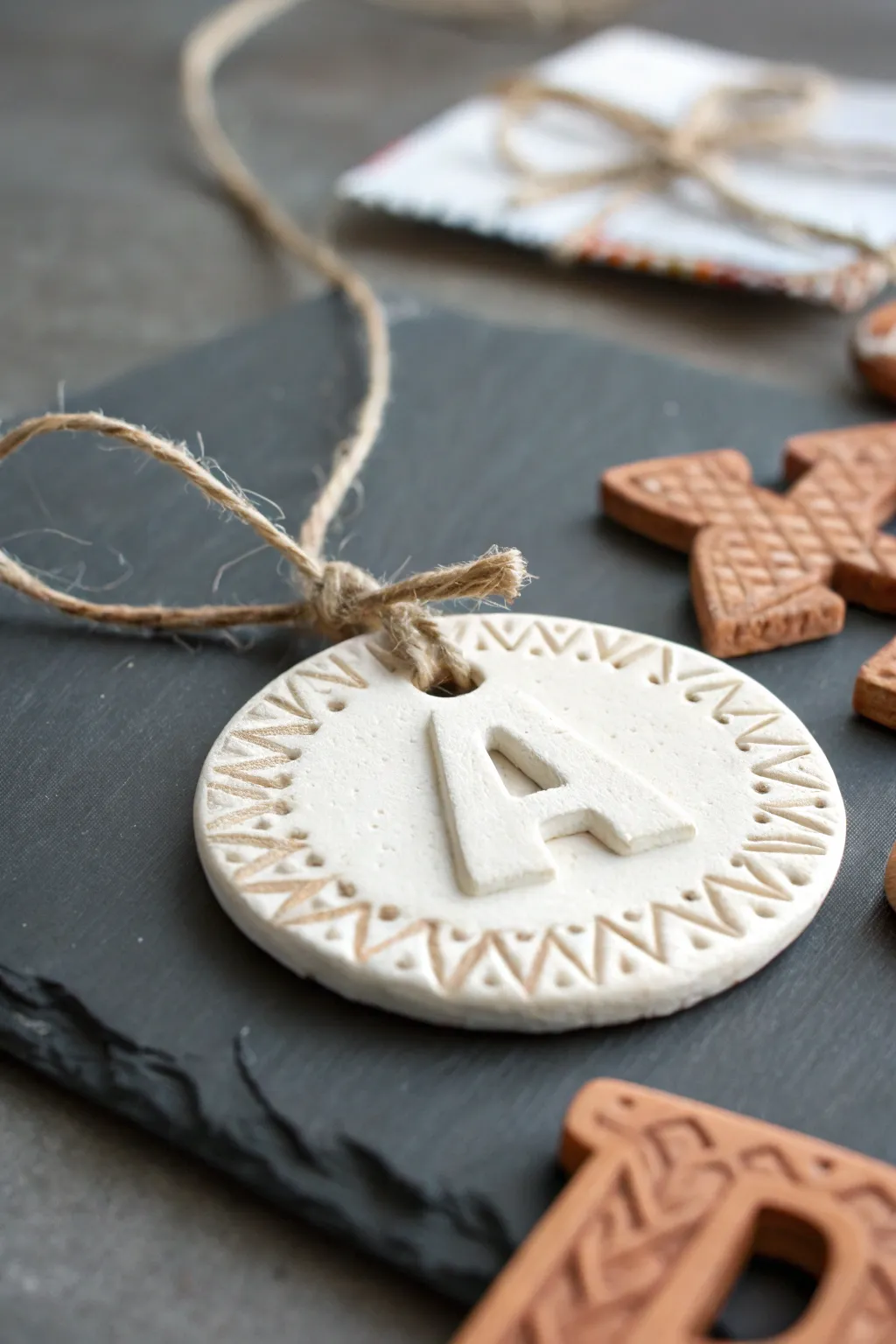
Create a personalized touch for your holiday decor or gift wrapping with this minimalist monogram ornament. Featuring a crisp white finish and rustic geometric detailing, this air-dry clay project blends modern simplicity with handmade charm.
Step-by-Step
Materials
- White decorative air-dry clay
- Rolling pin
- Round cookie cutter (approx. 3 inches)
- Small alphabet fondant stamps or cutters
- Small wooden skewer or toothpick
- Jute twine
- Small straw or specialized clay hole cutter
- Fine-grit sandpaper (optional)
- Parchment paper or canvas mat
Step 1: Shaping the Base
-
Prepare the Clay:
Start by kneading a handful of white air-dry clay until it’s soft, pliable, and free of cracks. If it feels too dry, wet your hands slightly as you work. -
Roll it Out:
Place the clay on a sheet of parchment paper or a canvas mat to prevent sticking. Use a rolling pin to flatten the clay to an even thickness of about 1/4 inch. -
Cut the Circle:
Press your round cookie cutter firmly into the clay to create a clean circle. Peel away the excess clay from the edges and set it aside for future use. -
Smooth the Edges:
Dip your finger in a tiny bit of water and run it gently around the cut edge of the circle to smooth out any roughness or stray clay bits.
Keep it Clean
Work on a piece of wax paper or a silicone mat. This allows you to rotate the piece while you are carving the border pattern without having to pick up the soft clay.
Step 2: Adding Details
-
Position the Letter:
Take your alphabet stamp or cutter for the letter ‘A’ (or your chosen initial). Center it visually on the clay disc. -
Emboss the Monogram:
Press the letter firm and evenly into the clay. You want a deep, distinct impression, but be careful not to push all the way through to the mat. -
Create the Border Pattern:
Using a small wooden skewer or a clay tool, press small ‘V’ shapes or zig-zags around the perimeter of the circle. I find it helps to mark the top, bottom, left, and right points first to keep the spacing even. -
Add Texture Details:
Between your zig-zag lines, use the point of the skewer to poke small dots for added texture, mimicking the look of stitching or embroidery. -
Make the Hanging Hole:
Use a small straw or a hole tool to punch a clean circle near the top edge of the ornament. Ensure it is centered above the letter.
Make it Scented
Before the clay dries, add a drop of essential oil like cinnamon or pine to the back of the ornament. The porous clay acts as a natural diffuser for your tree.
Step 3: Finishing Touches
-
Initial Drying:
Leave the ornament on a flat surface to dry. To prevent curling, flip the ornament over gently after about 2-3 hours so the bottom can air out. -
Full Cure:
Let the clay dry completely for 24 to 48 hours, depending on the humidity and thickness of your clay. -
Sand Imperfections:
Once fully hard, check the edges. If there are any sharp spots, very gently buff them away with fine-grit sandpaper. -
Highlight the Texture (Optional):
To get the look in the photo where the grooves appear darker, you can wash a very diluted brown acrylic paint over the piece and wipe it off the surface immediately, leaving color only in the crevices. -
Add the Twine:
Cut a length of jute twine, about 8 inches long. -
Tie the Loop:
Thread the twine through the hole at the top. Bring the ends together and tie a simple overhand knot close to the clay to secure it, then tie the loose ends for hanging.
This simple yet elegant ornament is ready to hang on your tree or serve as a special gift tag
Air-Dry Clay Chunky Bookends
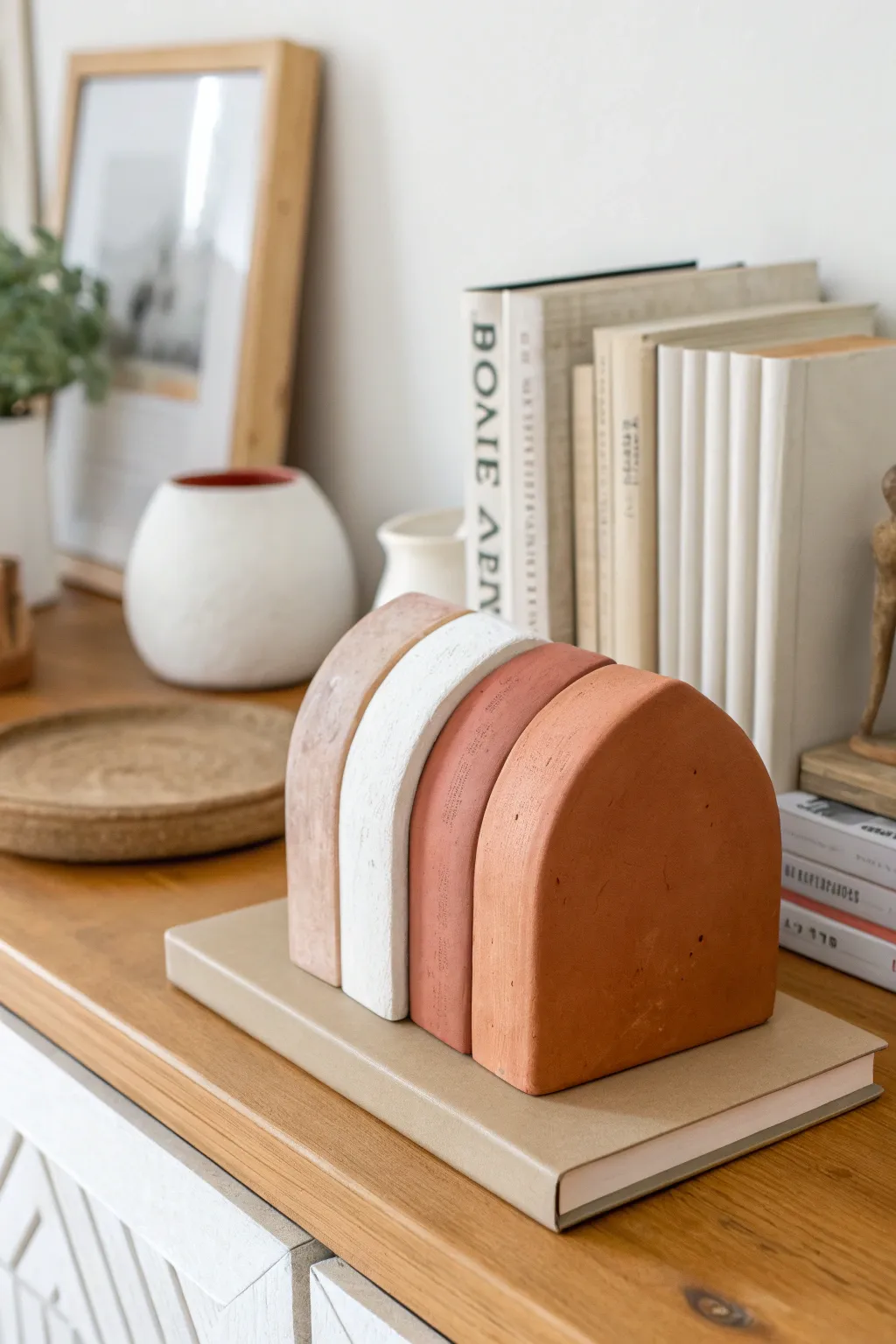
These architectural, chunky bookend sculptures bring a modern, organic feel to any shelf with their soft curves and earthy gradient palette. The textured matte finish mimics the look of raw stone or earthenware, but they are easily crafted right at home using sturdy air-dry clay.
Step-by-Step Tutorial
Materials
- High-quality white air-dry clay (approx. 2-3 lbs)
- Rolling pin
- Sharp craft knife or clay slicer
- Ruler
- Cardstock or cardboard (for templates)
- Small bowl of water
- Sandpaper (fine and medium grit)
- Acrylic paints (White, Burnt Sienna, Raw Sienna, Unbleached Titanium)
- Baking soda or plaster powder (for texture)
- Paintbrushes
- Matte spray varnish (optional)
Step 1: Shaping the Arches
-
Create the templates:
Begin by sketching your arch shapes onto cardstock. Draw four identical arches that are about 5-6 inches tall and 4 inches wide at the base. Alternatively, you can vary the heights slightly if you prefer a staggered look, but the image shows uniform sizes. Cut these templates out. -
Condition the clay:
Take a large chunk of air-dry clay and knead it well in your hands to warm it up and remove air bubbles. This makes the clay pliable and less prone to cracking later. -
Roll out the slab:
Roll the clay out on a smooth surface into a very thick, even slab. For that chunky look seen in the photo, aim for a thickness of at least 1 inch. Use guide sticks on either side if you have them to ensure uniform thickness. -
Cut the forms:
Place your cardstock template onto the clay slab. Using a sharp craft knife held completely vertical, trace around the template to cut out your first arch. Repeat this process three more times to get four individual clay blocks. -
Smooth the edges:
Dip your finger in a little water and run it along all the cut edges to soften the harsh corners slightly. While you want a crisp architectural look, removing the sharp clay burrs now saves sanding time later. -
Check stability:
Stand each arch up on its base. If any lean or wobble, gently tap the bottom flat against your table until they stand perfectly straight and independent of each other. -
Drying process:
Place the clay arches on a wire cooling rack to ensure airflow reaches the bottom. Let them dry for at least 48-72 hours. Turn them gently onto their sides periodically so they dry evenly throughout the thick center.
Cracking Up?
Thick clay projects often crack while drying. If this happens, mix a little fresh clay with water to make a paste (‘slip’) and fill the crack. Let dry and sand smooth.
Step 2: Refining and Painting
-
Sand for precision:
Once fully dry and hard, use medium grit sandpaper to level out any uneven sides. Follow up with fine grit sandpaper to smooth the surface, paying special attention to the curved top to ensure a flowing tailored arc. -
Clean the surface:
Wipe away all the clay dust with a slightly damp cloth or a dry soft brush. The surface needs to be dust-free for the paint to adhere properly. -
Mix the base colors:
Prepare your palette for a gradient effect. Start with a large dollop of white paint. For the lightest arch, mix just a tiny dot of Burnt Sienna into the white to create a warm off-white. -
Create the texture medium:
To achieve that faux-stone, sandy texture, mix your acrylic paint with baking soda (1 part baking soda to 2 parts paint). This creates a thick, fluffy paste. -
Paint the first arch:
Apply the textured off-white mixture to the first arch using a flat brush. Use a stippling or dabbing motion rather than long strokes to build up a stone-like surface. -
Mix the second shade:
For the second arch, add a bit more Burnt Sienna and a touch of Unbleached Titanium to your previous mix. Aim for a soft, pale nude or sandy beige tone. -
Mix the third shade:
For the third arch, increase the ratio of Burnt Sienna significantly. You want a warm, muted terracotta color. Add fresh baking soda if the paint mixture feels too thin. -
Mix the darkest shade:
Finally, for the fourth arch, use primarily Burnt Sienna with a small touch of Raw Sienna or orange to create a deep, rich rust color. Apply with the same textured dabbing technique. -
Final drying:
Allow the paint to dry completely. The baking soda mixture dries very matte and hard. -
Optional sealing:
If you plan to move these often, mist them lightly with a matte spray varnish to fix the textured paint so it doesn’t flake off over time.
Weighted Base
If you want these to function as heavy-duty bookends, embed a clean, fist-sized rock or heavy metal washers inside the center of the clay block while you are shaping it.
Arrange your completed gradient arches comfortably on a shelf or stack of books to enjoy their calming, earthy aesthetic